Egypt is often described as the “gift of the Nile” — a phrase from Herodotus that refers to the Nile floods that made the desert farmland. But Egypt is equally the gift of its people: a population of 105 million (2025 estimate) with a cultural identity shaped by 7,000 years of continuous civilisation, 1,400 years of Islamic tradition, 3,000 years of ancient pharaonic heritage, and a natural warmth that consistently surprises first-time visitors. Understanding Egyptian culture before you arrive makes every interaction with your Egyptologist guide, your hotel staff, your Nile cruise crew, your market vendors and your Nubian village hosts infinitely richer.
Religion in Egypt — Islam, Coptic Christianity and Daily Life
Egypt is a predominantly Muslim country — approximately 90% of Egyptians are Sunni Muslim. The remaining 10% are predominantly Coptic Christians, one of the oldest Christian communities in the world, tracing their tradition directly to the apostle Mark who brought Christianity to Alexandria in approximately 42 AD. Religion is present in daily Egyptian life in ways that can surprise Western visitors:
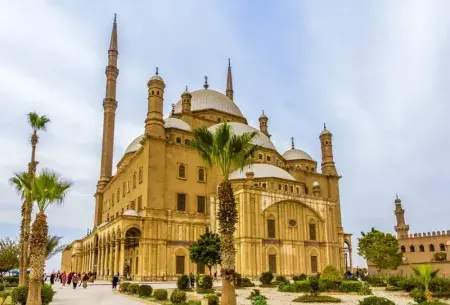
- The call to prayer (adhan): Five times daily — dawn, midday, afternoon, sunset and night — the muezzin call to prayer sounds from mosques across every Egyptian city. In Cairo with its thousands of mosques, the dawn call at approximately 4:30–5:00 AM is audible from virtually every hotel room. Light sleepers should bring earplugs or book rooms on high floors.
- Friday is the Islamic holy day: Government offices, banks and many businesses close on Friday. Tourist sites, hotels, restaurants and most shops open normally. Friday noon prayer is the week’s most important — mosques overflow into the streets.
- Ramadan: During Ramadan (2026: February 19–March 20), Muslims fast from dawn to sunset. Tourist attractions, hotels, Nile cruises and guided tours operate normally. Some local restaurants close during the day. The iftar (breaking of the fast) at sunset is a joyous communal event — Islamic Cairo at iftar during Ramadan is one of the most atmospheric experiences in Egypt.
Egyptian Hospitality — Why It Feels So Overwhelming
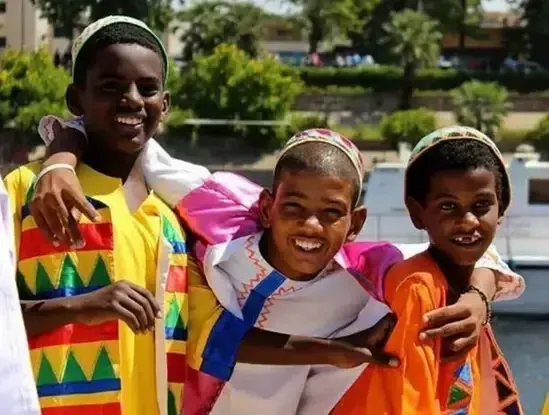
Egyptian hospitality — karam al-dayf — is one of the defining characteristics of Egyptian culture and it can genuinely catch Western visitors off guard. Egyptians offer tea, coffee and food to guests instinctively and without calculation. A Nubian family in Aswan invites you in for hibiscus tea. A shopkeeper in Khan El-Khalili offers mint tea whether you buy anything or not. Your Nile cruise crew wishes you a good morning by name every day. This hospitality is not a sales technique — it is a deeply embedded cultural value. The appropriate response is to accept graciously, reciprocate with interest in the person’s life and family, and appreciate that you are being welcomed as a guest in a culture where the guest is genuinely honoured.
Egyptian Culture at a Glance — What to Know
| Aspect | What You Need to Know |
|---|---|
| Greetings | Ahlan wa sahlan (welcome) · Marhaba (hello) · Shukran (thank you) · Handshakes standard for men · women wait to see if a man extends his hand first |
| Family | Family is the central unit of Egyptian society · questions about your family are standard and warm conversation starters, not intrusions |
| Time | Inshallah (God willing) accompanies every future plan · Egyptian time culture is more flexible than Western · Egypt For Travel’s guides always arrive on time |
| Dress | Conservative dress respected everywhere · Shoulders & knees covered for mosques and Coptic churches · Beach/resort dress acceptable at Red Sea hotels |
| Photography | Always ask permission before photographing people · offering a small tip for posed photos is customary · no photography inside mosques without permission |
| Bargaining | Expected at open-air markets and bazaars · start at 40–50% of asking price · never in fixed-price shops, hotels or restaurants |
| Tipping | Baksheesh is embedded cultural practice · Guide $10–$15/day · Driver $5–$8/day · Porter $1–$2/bag · Full detail: Tipping in Egypt guide |
Egyptian Food Culture
Egyptian food is generous, communal and rooted in the Nile Valley’s agricultural traditions. Key dishes and food culture notes:
- Ful medames: The national dish — slow-cooked fava beans with garlic, lemon, cumin and olive oil, eaten with flatbread at breakfast and throughout the day. Available everywhere from street carts to hotel restaurants.
- Koshary: Egypt’s most popular street food — a bowl of rice, lentils, macaroni, chickpeas and fried onions topped with spiced tomato sauce and hot chilli. A uniquely Egyptian creation influenced by Italian (pasta), Indian (lentils) and Arabic (spices) culinary traditions.
- Grilled meats: Kofta (spiced minced meat on skewers) and kebab (cubed lamb or chicken) are staples at every Egyptian restaurant and street grill. Eaten with flatbread, salad and tahini.
- Mahshi: Vegetables (vine leaves, courgettes, peppers, aubergines) stuffed with spiced rice and herbs — the Egyptian comfort food served at family gatherings.
- Sharing culture: Egyptian meals are communal. Ordering multiple dishes for the table to share is standard and expected. Refusing food offered by a host is considered impolite — accept everything graciously and eat what you can.
The Egyptian People — What Makes Them Distinctive
Egyptians are among the most naturally curious and sociable people you will meet anywhere. Conversations with strangers begin instantly and range across every subject. Questions about your country, your family and your opinion of Egypt are not intrusions — they are genuine interest. Humour is central to Egyptian culture: Egyptians laugh at themselves and at the absurdities of life with a directness and frequency that surprises many Western visitors. Egyptian internet culture — memes, political satire, social commentary — is among the most sophisticated in the Arab world. The ability to laugh at circumstances, to find the comedy in difficulty, is a defining characteristic of the Egyptian national character that 7,000 years of history has not diminished.
Experience Egyptian Culture With Egypt For Travel
Egypt For Travel’s private Egyptologist guides are Egyptian — they do not just explain the ancient civilisation, they are living representatives of its contemporary successor. Every conversation with your guide is a cultural exchange as much as a historical education. Egypt For Travel also arranges cultural immersion experiences: Nubian village visits in Aswan, market walks in Khan El-Khalili with your guide explaining the trading traditions, Coptic Cairo visits with context from Christian Egypt’s 2,000-year history, and Sound & Light Shows at Karnak that combine ancient Egyptian spectacle with modern Egyptian production values.
| Program | Cultural Highlights | From |
|---|---|---|
| Cairo 3 Days | Khan El-Khalili · Islamic Cairo · Coptic Cairo · Citadel | $349 |
| 7-Night Egypt from USA | Cairo culture + Nubian village Aswan + Nile cruise | $1,599 |
| Egypt Vacation Package | Full cultural immersion — 8 days Cairo, Nile, Aswan | $1,549 |
WhatsApp: +20 155 555 2466 · ETA Category A Licence No. 1947
Frequently Asked Questions
What is Egyptian culture known for?
Egyptian culture is known for five things above all: the 7,000-year continuity of civilisation on the Nile (the oldest continuously inhabited civilisation in the world); extraordinary hospitality (karam al-dayf) towards guests; the Islamic cultural tradition of medieval Cairo — the mosques, bazaars and Sufi music of Islamic Cairo; the ancient pharaonic heritage that produced the Pyramids, the Valley of the Kings and the GEM; and the warmth and humour of the Egyptian people themselves.
Is Egypt conservative? What should I wear?
Egypt is a Muslim-majority country with a conservative dress culture in cities and at religious sites, but it is also one of the most experienced tourist destinations in the world and accommodates Western visitors comfortably. The practical rules: cover shoulders and knees in mosques and Coptic churches; modest clothing (nothing revealing) in city streets, markets and ancient sites; normal beach/swimwear at Red Sea resort hotels. Egyptian women in cities typically wear the hijab (headscarf); Western women are not required to but should carry a light scarf for mosque visits. Men in shorts are accepted at tourist sites but conservative dress is appreciated in cities. See our Egypt Travel Tips 2026 guide for complete practical detail.
How do you say hello and thank you in Egyptian Arabic?
Ahlan (hello, informal) · Ahlan wa sahlan (welcome, more formal) · Sabah el kheir (good morning — reply: Sabah el noor) · Shukran (thank you) · La shukran (no thank you — essential for politely declining vendors) · Inshallah (God willing — accompanies every future commitment). Using these five phrases will generate genuine warmth and smiles wherever you go in Egypt.