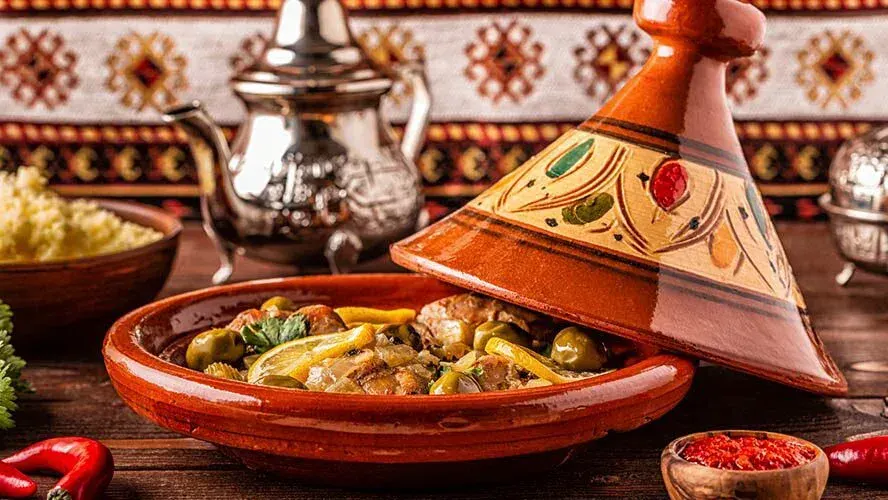
Moroccan cuisine is a feast for the senses, combining rich spices, fresh ingredients, and centuries-old culinary traditions. Whether you're savoring a slow-cooked tagine, enjoying a plate of fluffy couscous, or sipping on traditional mint tea, every bite tells a story of Morocco’s diverse cultural influences. In this guide, we’ll explore the must-try dishes, unique flavors, and dining experiences that make Moroccan cuisine one of the most celebrated in the world.
The Essence of Moroccan Cuisine
Moroccan food is a reflection of the country’s history, influenced by Berber, Arab, Mediterranean, and French culinary traditions. The cuisine is known for its bold use of spices like saffron, cumin, cinnamon, and paprika, as well as fresh herbs like cilantro and parsley. Dried fruits, nuts, olives, and preserved lemons add depth and contrast to many dishes, creating a balance of sweet and savory flavors.
Must-Try Moroccan Dishes
1. Tagine
Named after the earthenware pot it’s cooked in, tagine is a slow-cooked stew made with tender meat (lamb, chicken, or beef), vegetables, and aromatic spices. Some popular variations include chicken with preserved lemons and olives, lamb with prunes, and vegetarian tagines packed with seasonal produce.
2. Couscous
Considered Morocco’s national dish, couscous is made from steamed semolina grains and is typically served with slow-cooked meat, vegetables, and a flavorful broth. Traditionally, it is enjoyed on Fridays, the holy day of the week in Morocco.
3. Harira
A hearty soup made from tomatoes, lentils, chickpeas, and meat, harira is often enjoyed during Ramadan to break the fast. It is rich, comforting, and usually accompanied by dates and chebakia, a sweet sesame cookie.
4. Pastilla
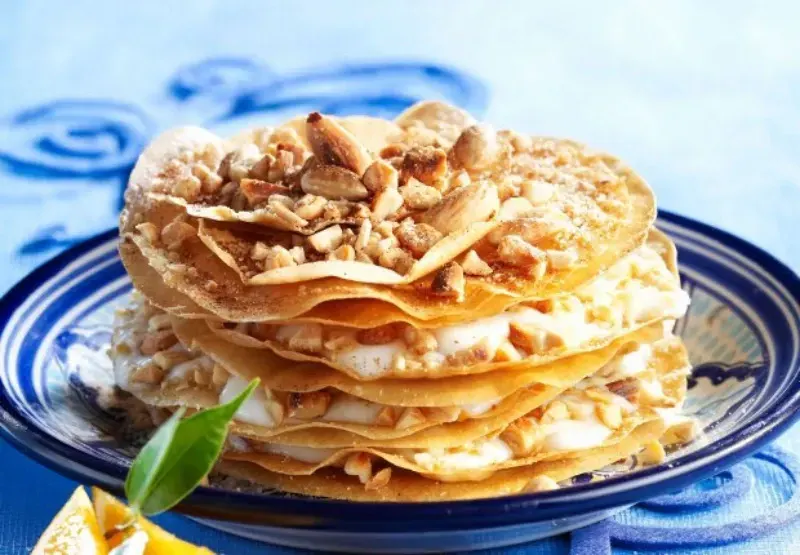
A unique blend of sweet and savory, pastilla is a flaky pastry filled with spiced meat (usually pigeon or chicken), almonds, and cinnamon, dusted with powdered sugar. This dish is often served at special occasions and celebrations.
5. Mechoui
A favorite at Moroccan feasts, mechoui is slow-roasted lamb, seasoned with simple spices and cooked until tender. It is often served with bread and enjoyed communally.
6. Zaalouk and Other Moroccan Salads
Zaalouk is a smoky eggplant and tomato salad, often served as a side dish with warm bread. Other popular Moroccan salads include taktouka (roasted peppers and tomatoes) and carrot salad with cumin and orange blossom.
Sweet Treats and Desserts
No Moroccan meal is complete without a taste of the country’s famous sweets. Almond-filled pastries like gazelle horns (Kaab el Ghazal) and honey-soaked cookies like chebakia are perfect for satisfying your sweet tooth. Moroccan desserts often pair well with mint tea, which is an essential part of hospitality in Morocco.
Moroccan Mint Tea: A Symbol of Hospitality
Tea culture is an integral part of Moroccan life, and no visit is complete without trying Moroccan mint tea, also known as “Berber whiskey.” Made with green tea, fresh mint, and sugar, this refreshing drink is served in ornate glasses and poured from a height to create a frothy top.
Street Food and Local Markets
For a true taste of Morocco, exploring local souks and street food stalls is a must. From freshly grilled sardines in Essaouira to sizzling snail soup in Marrakech, street food offers an authentic experience of Morocco’s culinary diversity. Don’t miss msemen, a flaky square-shaped pancake, or sfenj, Morocco’s answer to donuts.
Dining Etiquette in Morocco
Eating with your hands: In traditional settings, Moroccans eat with their right hand, using bread as a utensil to scoop up food.
Sharing is caring: Many meals are served in large communal dishes, emphasizing hospitality and togetherness.
Tea rituals: When offered mint tea, it is polite to accept, as it is a gesture of welcome.
Final Thoughts
Moroccan cuisine is more than just food—it’s an experience that brings people together, tells stories of history, and delights the senses. Whether you’re enjoying a steaming bowl of harira, indulging in a flaky pastilla, or sipping mint tea in a bustling souk, the flavors of Morocco will leave a lasting impression.
If you’re planning a trip, don’t just visit Morocco—taste it. Each meal is an opportunity to dive deeper into the culture and connect with the country’s warm and welcoming spirit.