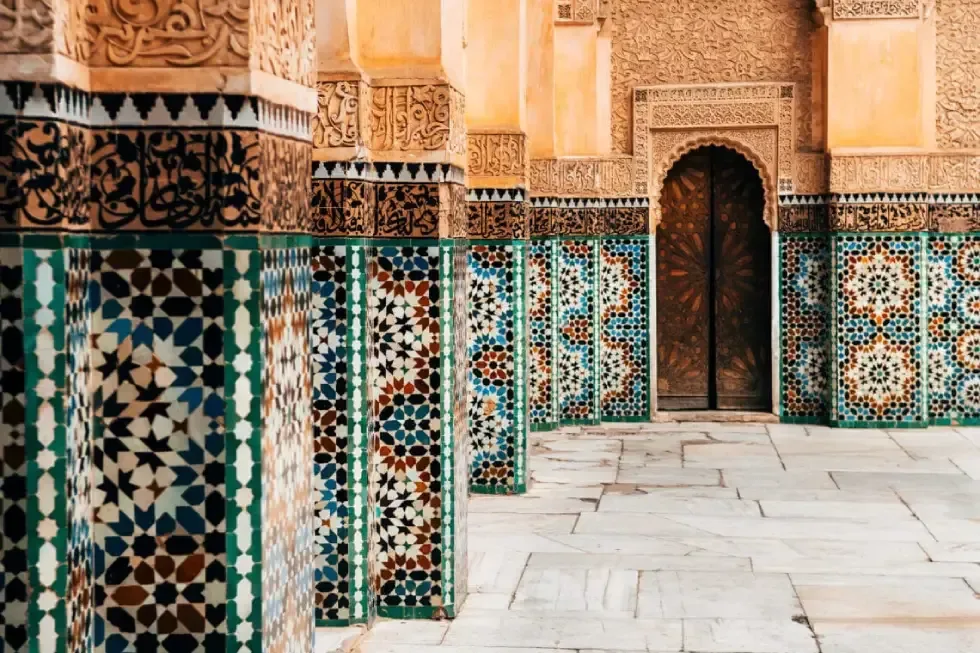
Morocco, a country located at the crossroads of Europe, Africa, and the Middle East, boasts a rich and diverse cultural heritage. With influences from Arab, Berber, French, and Spanish traditions, Morocco's culture is a vibrant blend that is reflected in everything from its architecture and cuisine to its customs and festivals. If you're planning to visit Morocco, understanding its culture will deepen your experience and help you navigate the country with respect and appreciation. Here’s everything you need to know about Morocco’s culture before you go.
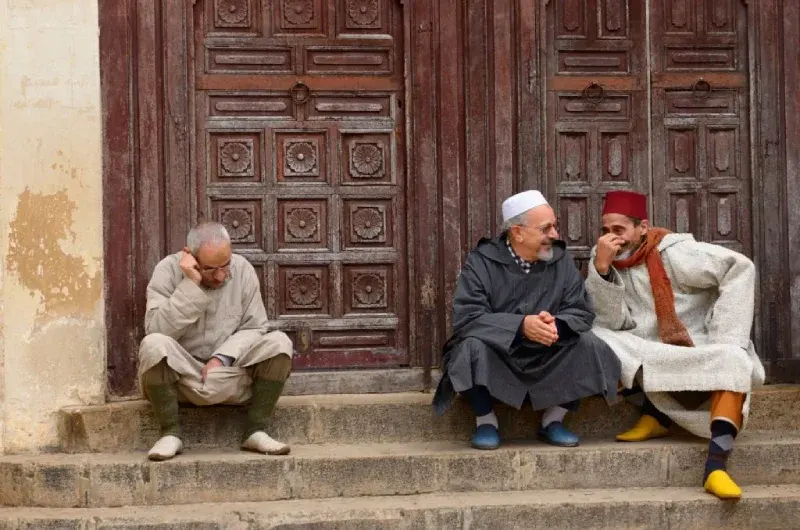
Diverse Heritage: A Cultural Melting Pot
Morocco's cultural identity has been shaped by various influences throughout its long history. The indigenous Berber (Amazigh) people have lived in Morocco for centuries and remain a cornerstone of its cultural foundation. Over time, the Arabs, who arrived in the 7th century, infused the region with Islamic traditions, while European colonization added French and Spanish influences.
As a result, Moroccan culture is a unique blend of Arab, Berber, and European influences, which is particularly evident in the country’s languages, architecture, and everyday life. The two official languages, Arabic and Berber, are widely spoken, though French remains prevalent in business and government.
Traditional Clothing: Modesty and Style
Morocco’s clothing reflects the country’s rich cultural heritage and Islamic values. While modern fashion is prevalent in Morocco’s cities, traditional attire is still widely worn, especially in rural areas and during special occasions.
For Men: The traditional men’s outfit is the djellaba, a long, loose-fitting robe with a hood, worn in both urban and rural areas. It’s usually made of wool or cotton, depending on the season, and serves to keep cool during the summer and warm during the winter. In cities, you’ll also see men wearing a suit and tie, especially in business settings.
For Women: Moroccan women typically wear the caftan, a colorful, ornate gown that is often embroidered or beaded, especially for special occasions. In daily life, women often wear the djellaba as well. While Morocco is more liberal compared to some other Middle Eastern countries, modesty is still highly valued, and many women choose to dress conservatively, especially in rural areas.
Cuisine: A Flavorful Journey Through Morocco
Moroccan cuisine is a culinary delight, with a rich variety of spices and flavors that reflect the country’s diverse heritage. Whether you’re in the bustling streets of Marrakech or enjoying a quiet meal in the Atlas Mountains, you’ll find dishes that blend Arab, Berber, and Mediterranean influences.
Tagine: This slow-cooked stew is a Moroccan staple, made with meat (usually lamb, chicken, or beef), vegetables, and dried fruits like apricots or dates. It’s cooked in a traditional clay pot, which gives the dish its name.
Couscous: A dish made from steamed semolina wheat, couscous is often served with vegetables and meat, particularly on Fridays, which is considered a holy day in Morocco.
Mint Tea: Known as "Moroccan whiskey", mint tea is a national drink and is served throughout the day. It’s typically made with green tea, fresh mint leaves, and lots of sugar. The ritual of preparing and serving mint tea is an important part of Moroccan hospitality.
Music and Dance: A Celebration of Rhythm
Moroccan music is as diverse as its culture, influenced by Arab, Berber, African, and Andalusian traditions. Music plays a vital role in Moroccan life, whether in a celebration, a religious ceremony, or a gathering of friends.
Gnawa: A genre of music with African roots, Gnawa is often performed using drums, cymbals, and a three-stringed bass instrument called the gimbri. The music is accompanied by rhythmic chanting and dancing and is meant to induce a trance-like state.
Chaabi: A popular music genre in Morocco, Chaabi is a lively, folk-based style that’s frequently heard in weddings, festivals, and other celebrations.
Traditional Dance: Moroccan dance is an important part of celebrations and festivals. One of the most well-known dances is the "Ahouach", performed by both men and women and often accompanied by traditional drumming.
Festivals and Celebrations: A Vibrant Display of Traditions
Morocco celebrates a variety of festivals throughout the year, many of which are deeply rooted in its Islamic and Berber traditions.
Eid al-Fitr and Eid al-Adha: These are the two major Islamic holidays in Morocco. Eid al-Fitr marks the end of Ramadan, the holy month of fasting, while Eid al-Adha celebrates the willingness of Prophet Ibrahim (Abraham) to sacrifice his son as an act of obedience to God. During these holidays, families gather to share meals and offer prayers at the mosque.
Mawlid al-Nabi: This is the celebration of the Prophet Muhammad’s birthday. It’s celebrated with religious processions, special prayers, and feasts.
Timitar Festival: Held in Agadir, this festival celebrates Berber culture with music, dancing, and art exhibitions. It’s an excellent way to experience the music and traditions of Morocco’s Berber communities.
Religious Significance: Islam’s Influence on Daily Life
Islam is the dominant religion in Morocco, and it deeply influences the country’s culture and way of life. The majority of Moroccans are Sunni Muslims, and the Islamic faith plays a central role in both personal and social life.
Prayer: Moroccans pray five times a day, and you’ll hear the call to prayer (adhan) echoing from mosque minarets across the country. The prayer times are an important part of daily life, and most businesses close briefly during these times.
Ramadan: This month-long fasting period is a significant time in Morocco, with families and friends coming together to break their fast during iftar in the evening. During Ramadan, the atmosphere in the country is one of spirituality, reflection, and community.
Hospitality: A Tradition of Warmth and Generosity
Moroccans are renowned for their hospitality. It’s not uncommon for locals to invite strangers into their homes for tea or a meal. If you’re offered something, whether it’s a drink, food, or a gift, it’s polite to accept graciously. When visiting someone’s home, bringing a small gift, such as pastries or dates, is a sign of respect.
Conclusion
Morocco's culture is a vibrant, multifaceted blend of history, art, traditions, and hospitality. From the buzzing souks of Marrakech to the quiet beauty of the Sahara, Morocco offers a cultural experience like no other. By immersing yourself in the country’s customs and values, you’ll gain a deeper understanding and appreciation for this fascinating land. Whether you’re strolling through ancient cities, savoring local dishes, or enjoying the lively music and dance, Morocco promises to leave you with lasting memories of its captivating culture.
If you’re planning a visit, remember to embrace the Moroccan way of life, respecting local traditions and customs as you experience this unforgettable country. Happy travels!