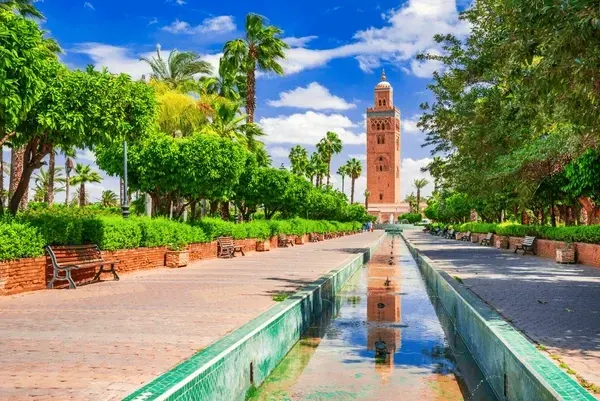
Morocco is a beautiful country full of rich culture, stunning landscapes, and ancient history. As a first-time visitor, the experience can be both exciting and overwhelming, especially when navigating a country so unique. From the bustling souks of Marrakech to the serene Sahara Desert, there’s a lot to take in. To help you make the most of your trip, here are some essential travel tips for first-time visitors to Morocco:
1. Understand Moroccan Culture and Etiquette
Before you set foot in Morocco, it's important to understand the country's culture and etiquette. Moroccans are incredibly hospitable, but respecting their traditions is crucial. When meeting locals, greet them with a warm “Salam Alaikum” (peace be upon you). Dress modestly, especially in rural areas and when visiting religious sites. Women may want to avoid wearing revealing clothing, as it could attract unwanted attention.
2. Learn Some Basic Arabic or French Phrases
Arabic and French are the two main languages spoken in Morocco. While English is spoken in tourist areas, learning a few words in Arabic or French can help you connect with locals and show respect for their language. Some simple phrases include:
“Shukran” (Thank you)
“La shukran” (No, thank you)
“Bslama” (Goodbye)
3. Plan Your Travel Around the Weather
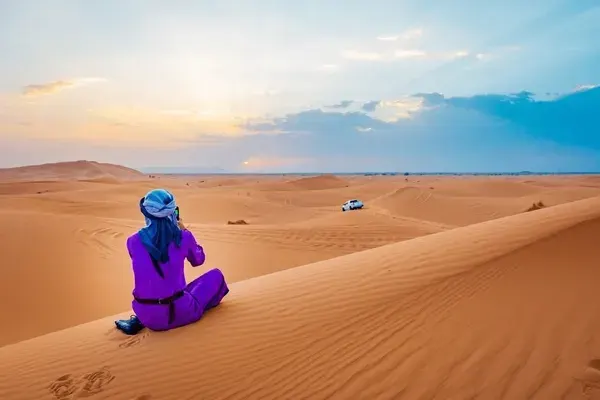
Morocco experiences diverse weather patterns depending on the region. The coastal areas, like Casablanca and Tangier, enjoy mild Mediterranean weather, while the inland cities, such as Marrakech and Fes, can get quite hot, especially in the summer months. The Sahara Desert is scorching during the day and freezing at night. If you’re planning to visit the desert or trek the Atlas Mountains, pack layers and ensure you're prepared for extreme temperatures.
The best time to visit Morocco is during spring (March to May) and autumn (September to November), as the weather is more temperate, making outdoor activities much more enjoyable.
4. Be Prepared for the Hustle and Bustle
Moroccan markets (souks) are famous for their energy and chaos. They’re also a great place to shop for spices, textiles, jewelry, and souvenirs. However, don’t be surprised if shopkeepers are very persistent. Bargaining is part of the culture, and it’s expected. Always negotiate prices, but do so with a smile and a sense of humor. Remember that the first price you’re offered is usually just the starting point!
5. Stay Safe: Be Aware of Scams
While Morocco is generally safe for tourists, there are some common scams to watch out for. For example, in the medinas (old towns), some people may offer to show you around and then demand an exaggerated fee for their “guiding services.” Always agree on a price beforehand and, if possible, use a licensed guide. When using taxis, ensure that the driver uses the meter or agree on the fare before starting the journey.
6. Money Matters: Currency & Payments
The local currency is the Moroccan Dirham (MAD), and while major cities have plenty of ATMs, it’s wise to carry cash, especially when visiting rural areas. Credit cards are accepted in most hotels, restaurants, and shops, but smaller places may prefer cash. Always have some local currency on hand for small purchases, taxis, or tips. Also, it’s a good idea to inform your bank about your travel dates to avoid any issues with international card usage.
7. Respect Religious Practices
Morocco is a predominantly Muslim country, and it’s important to be mindful of local religious practices, especially during the holy month of Ramadan. During this time, many locals fast from sunrise to sunset, so be respectful and avoid eating or drinking in public. You’ll find that many restaurants and cafes close during the day but will reopen after sunset when the fast is broken.
If you're visiting mosques or religious sites, make sure to dress conservatively (especially women) and follow the rules for visitors. Some mosques are open to non-Muslims, while others may not allow entry.
8. Transport Tips: Getting Around Morocco
Morocco’s public transport system is quite efficient, with trains and buses connecting major cities like Casablanca, Marrakech, and Fes. The train network is especially well-developed, and it’s a comfortable and affordable way to travel between cities. For shorter trips, taxis are readily available. Be sure to agree on the fare beforehand to avoid confusion.
If you're heading into the Sahara Desert, consider booking a tour or hiring a guide, as the desert can be difficult to navigate alone.
9. Drink Bottled Water
Tap water is not always safe to drink in Morocco, especially outside of major cities. It’s always best to drink bottled water, which is widely available in stores and restaurants. Avoid drinking water from public fountains or wells unless you're sure it's safe.
10. Stay Hydrated and Protect Your Skin
Morocco can be hot, especially in the summer months, so it’s essential to stay hydrated. Carry a bottle of water with you at all times. Also, bring sunscreen and a hat to protect yourself from the sun. If you're venturing into the desert, be prepared for both extreme heat and sudden drops in temperature at night.
11. Don’t Miss the Traditional Moroccan Cuisine
Moroccan food is rich in flavors and diverse in ingredients, influenced by Berber, Arab, and European cultures. Don’t miss out on traditional dishes like couscous, tagine (a slow-cooked stew), pastilla (a sweet and savory pie), and Moroccan mint tea. You’ll find street food vendors selling delicious snacks like kebabs and freshly squeezed orange juice.
Conclusion
Morocco is an incredible destination filled with ancient history, stunning architecture, diverse landscapes, and vibrant culture. With these essential travel tips, you’ll be well-prepared to navigate the sights and sounds of this fascinating country. Whether you’re exploring the bustling markets of Marrakech, trekking in the Atlas Mountains, or stargazing in the Sahara, your Moroccan adventure will be unforgettable. Safe travels, and enjoy every moment of your journey to Morocco!