Kalabsha Temple & Nubian Museum Private Tour from Aswan
Overview
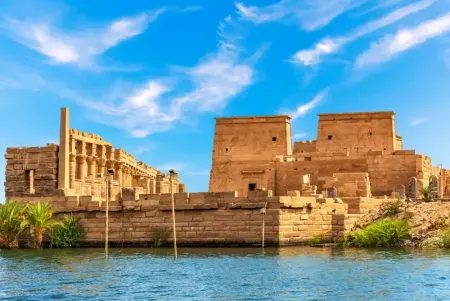
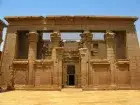
Within sight of the Aswan High Dam, on a peninsula overlooking Lake Nasser, stands one of the largest free-standing temples ever rescued by the UNESCO Nubia Campaign: the Temple of Kalabsha, dedicated to the Nubian solar god Mandulis. Combined with a visit to the award-winning Nubian Museum — the finest regional museum in Egypt — Egypt For Travel's half-day private tour from Aswan covers the two essential sites for understanding Nubian civilisation: its ancient religious architecture and its broader cultural and archaeological legacy, told through one of the best-curated museum collections in the country.
Kalabsha Temple — A Temple Twice Saved
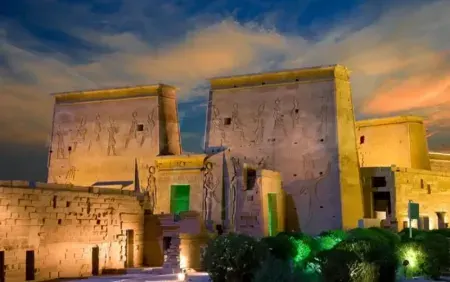
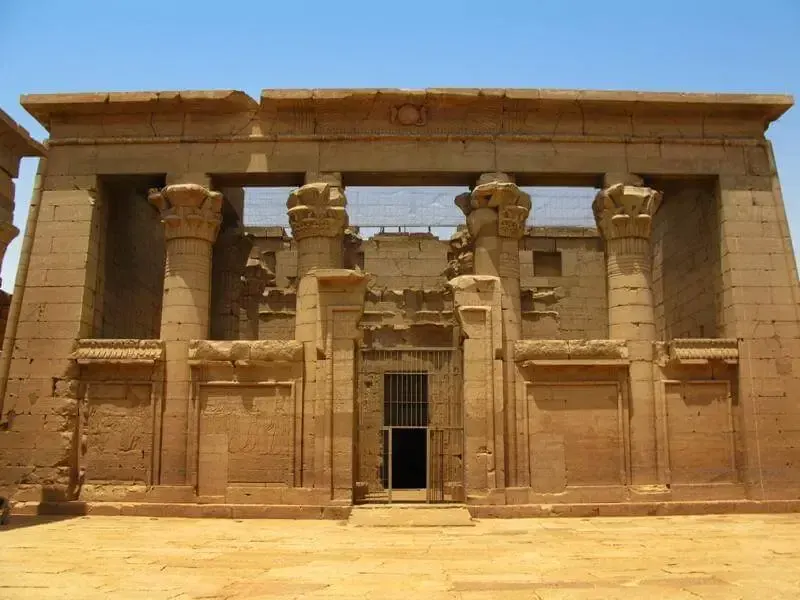
The Temple of Kalabsha was originally built during the reign of the Roman emperor Augustus (around 30 BC – 14 AD), on the site of an earlier and smaller temple structure, approximately 50 kilometres south of Aswan in the heart of Lower Nubia. Dedicated principally to Mandulis — a Nubian solar deity worshipped alongside the Egyptian gods Isis and Osiris — Kalabsha was the largest freestanding (non-rock-cut) temple in Nubia, second in scale only to Abu Simbel among the entire Nubian temple group threatened by the rising waters of Lake Nasser after the construction of the Aswan High Dam.
Between 1962 and 1963, in an operation funded substantially by the West German government as part of the broader UNESCO Nubia Campaign, the temple was dismantled into more than 13,000 numbered stone blocks and reconstructed on a new site on the western shore of Lake Nasser, immediately south of the High Dam — close enough to Aswan to be visited as part of a half-day private tour, unlike Abu Simbel, which requires a full-day excursion. The reconstructed temple preserves the original pylon, forecourt, hypostyle hall, and sanctuary, along with a wealth of carved relief decoration showing Roman emperors depicted in full pharaonic regalia making offerings to Mandulis, Isis, and other deities of the Egyptian-Nubian religious synthesis.
The Kiosk of Qertassi
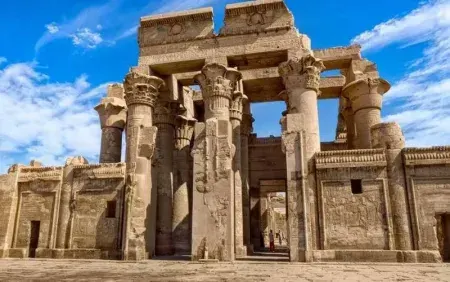
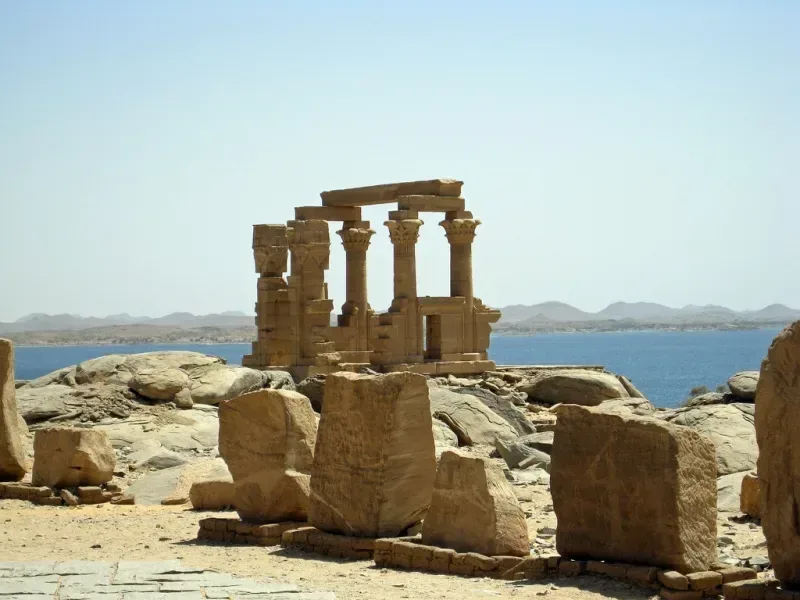
Adjacent to the main temple, the elegant Kiosk of Qertassi — a small but architecturally refined structure with two Hathor-headed columns supporting an ornate roof — was relocated to the same site from its original location further south. Though modest in scale compared to the main Kalabsha Temple, the kiosk is one of the most photogenic structures in the entire relocated Nubian monument group, its slender proportions and floral column capitals making it a favourite subject for photographers.
The Nubian Museum
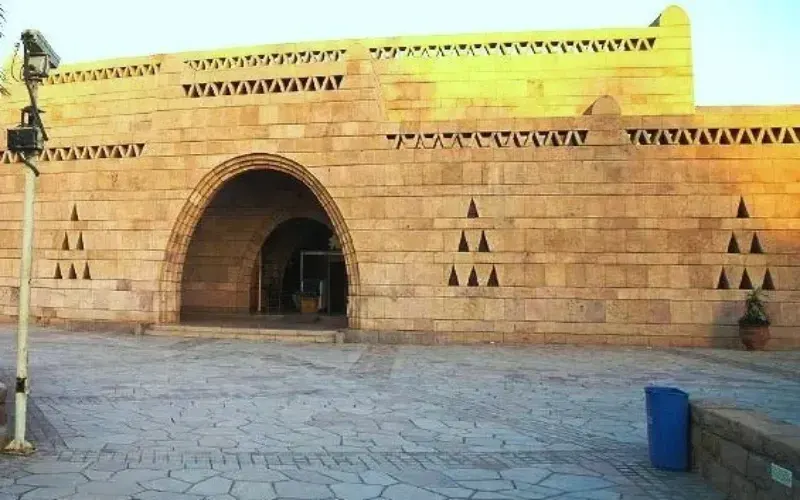
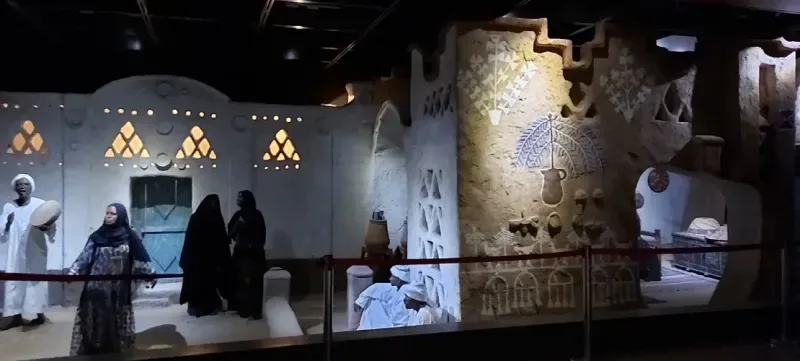
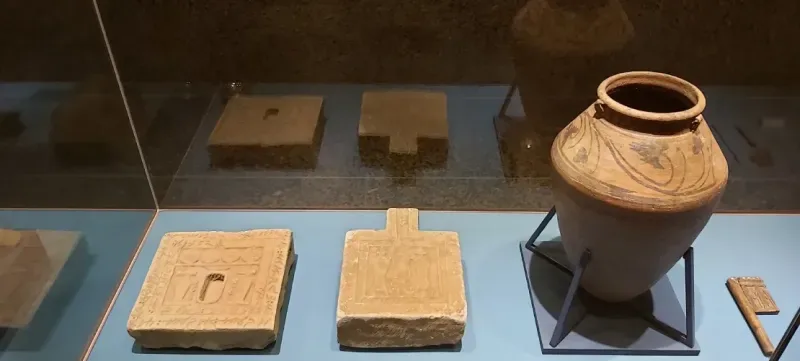
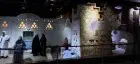
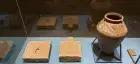
Established in 1997 specifically to preserve and present the cultural heritage of Nubia — much of which was permanently submerged or fundamentally altered by the creation of Lake Nasser — the Nubian Museum is widely regarded by art historians and museum professionals as one of the best-designed regional museums in Egypt, winning the Aga Khan Award for Architecture in 2001. Its collection spans the full chronological range of Nubian civilisation: prehistoric artefacts, objects from the powerful Kingdom of Kush (which at one point conquered and ruled all of Egypt as the 25th Dynasty), Christian-era Nubian art and manuscripts, and a rich ethnographic collection documenting Nubian village life, architecture, and customs before the displacement caused by the High Dam's construction.
What no other guide tells you: The Nubian Museum holds one of the most important and least-known archives of Egyptology: thousands of photographs, architectural drawings, and salvage records produced during the UNESCO Nubia Campaign of the 1960s — the largest coordinated international archaeological rescue operation in history, involving over 50 countries and resulting in the relocation of more than 20 temples and monuments, including both Kalabsha and Abu Simbel. Walking through the museum's lower galleries, where this rescue effort is documented in detail with original campaign photographs, gives a completely different understanding of how the monuments you have just visited at Kalabsha came to stand where they do today — and the magnitude of the cultural sacrifice made when ancient Nubia itself was flooded beneath Lake Nasser.
| Site | Entrance Fee (2026) | Highlight |
|---|---|---|
| Kalabsha Temple + Kiosk of Qertassi | ~200 EGP — included | Largest freestanding temple relocated from Nubia, after Abu Simbel |
| Nubian Museum | ~400 EGP — included | Aga Khan Award-winning architecture, 3,000+ years of Nubian history |
| Duration: 06 Hours | Type: Private Tour | Run: Everyday |
Included
- Private licensed Egyptologist guide throughout
- Private air-conditioned vehicle — hotel or cruise ship pickup and drop-off
- Kalabsha Temple and Kiosk of Qertassi entrance (~200 EGP)
- Nubian Museum entrance (~400 EGP)
- Bottled water throughout the tour
- All government taxes and service charges
Excluded
- Lunch (a recommended Aswan restaurant stop can be arranged on request — own cost)
- Personal spending in the Nubian Museum gift shop
- Tips for guide and driver
- Photography permit for professional camera equipment, if required by site authorities
Itinerary:
09:00 — Hotel or cruise ship pickup
09:15–09:45 — Transfer to Kalabsha site near the High Dam
09:45–10:45 — Kalabsha Temple: pylon · forecourt · hypostyle hall · sanctuary reliefs · Kiosk of Qertassi
10:45–11:15 — Transfer to the Nubian Museum
11:15–12:45 — Nubian Museum: chronological galleries · UNESCO Nubia Campaign archive · ethnographic displays · gardens
13:00 — Return to hotel or cruise ship
Prices:
Prices
Notes:
Prices Policy
All prices are quoted per person based on double occupancy where relevant; single travellers pay the same per-person rate. Children aged 2 to 11 receive a discounted rate; please contact Egypt For Travel directly for current child pricing. The price shown is inclusive of guide, transport, and both entrance fees as detailed in the Inclusions section above, with no hidden extras.
Departure Tips
Comfortable, lightweight clothing and closed-toe walking shoes are recommended, as both sites involve some walking on uneven ancient stone surfaces. A sun hat, sunglasses, and SPF 50 or higher sunscreen are strongly advised, as the Kalabsha site has limited shade. The Nubian Museum interior is air-conditioned, offering a welcome contrast and an excellent midday option if visited after the temple in the heat of the day. Egypt For Travel's vehicle will collect you from your hotel lobby or cruise ship gangway at the agreed time; please be ready 5 minutes in advance.
Children Policy
Children aged 0–1 travel free of charge with no separate seat required. Children aged 2–11 receive a discounted rate — please contact Egypt For Travel for current pricing. Children aged 12 and above are charged at the standard adult rate. The Nubian Museum has excellent, engaging displays well suited to children, including life-sized dioramas of traditional Nubian village life. The Kalabsha site involves walking on uneven stone, so appropriate footwear is recommended for younger children.
Payment Policy
A deposit of 25% of the total tour cost is required to confirm your booking. The remaining 75% balance is due before or on the day of the tour itself. During peak season, from October through April, and for group bookings of 6 people or more, a deposit of 50% is required at the time of booking. Egypt For Travel accepts payment by bank transfer, credit card, or cash in USD, EUR, or EGP.
Installment Policy
Flexible payment installments are available on request, particularly for group bookings or for clients combining this tour with a larger multi-day Egypt itinerary booked through Egypt For Travel. Please contact us directly via WhatsApp at +20 155 555 2466 or by email to discuss installment options before your booking is confirmed.
Tipping Guide
Tipping in Egypt is customary but entirely discretionary, and Egypt For Travel never adds automatic gratuities to invoices or applies any pressure regarding tips during the tour. As a general guideline, your Egyptologist guide typically receives $10–15 per day and your driver typically receives $5–8 per day. These amounts are paid directly to the guide and driver, in cash, at the conclusion of the tour, in USD, EUR, or EGP as you prefer.
Cancellation Policy
Cancellations made 61 days or more before the scheduled departure date incur a cancellation fee of 10% of the total tour cost. Cancellations made between 31 and 60 days before departure incur a 20% cancellation fee. Cancellations made between 15 and 30 days before departure incur a 50% cancellation fee. Cancellations made within 1 to 14 days of the scheduled departure are non-refundable, representing a 100% cancellation fee. All cancellation requests must be submitted to Egypt For Travel in writing. Egypt For Travel reserves the right to modify or reschedule tours due to circumstances beyond its control, such as site closures or adverse weather, in which case a full refund or suitable alternative will always be offered.