The short answer: Yes — Egypt is safe to travel for tourists in 2026. The major tourist destinations — Cairo, Giza, Luxor, Aswan, the Nile cruise corridor, Sharm El Sheikh and Hurghada — are operating normally and welcoming millions of visitors. In 2024, Egypt welcomed a record 15.7 million tourists, with projections pointing to 18.56 million in 2026. That is not the travel pattern of an unsafe destination. The longer answer involves understanding what “safe” actually means for the specific trip you are planning — which is exactly what this guide covers.
Egypt Travel Safety 2026 — The Complete Honest Guide
Egypt sits at the top of more bucket lists than almost any other destination on earth. The pyramids, the Nile, the temples of Luxor and Aswan, the Valley of the Kings — these are experiences that simply do not exist anywhere else. And yet, one question stops travelers from booking more than any other: Is Egypt actually safe? This guide answers that question honestly, without sugar-coating, from the perspective of an Egyptian travel agency that has been arranging private tours for international visitors for years. We will tell you what is genuinely safe, what requires sensible precaution, and what areas to avoid entirely.
Is Egypt Safe for Tourists Right Now?
Yes — for the tourist corridor that covers all major sites, Egypt is safe for international visitors in 2026. The key insight most travel advisories miss is this: Egypt is not a monolith. Safety varies enormously between specific areas. The tourist corridor — Cairo, Giza, Luxor, Aswan, the Nile cruise route, Hurghada and Sharm El Sheikh — is heavily monitored, has dedicated Tourism Police at all major sites, and has a track record of millions of international visitors passing through without incident every year.
What the advisories warn about — North Sinai, Libya border zone, Sudan border region — are areas that no tourist itinerary includes. The gap between the advisory language and the actual tourist experience is significant, and understanding it removes most of the fear that prevents bookings.
What Do Official Travel Advisories Say?
| Country | Advisory Level | What It Means for Tourists |
|---|---|---|
| USA | Level 2 — Exercise Increased Caution | Main tourist areas are not restricted. Applies to border regions tourists do not visit. |
| UK | Some parts: advise against travel | North Sinai and certain border areas only. Cairo, Luxor, Aswan and Red Sea resorts are not restricted. |
| Australia | Level 2 — Exercise High Degree of Caution | Standard precaution advisory. All tourist sites are accessible. |
| Germany | Partial travel warning | Border regions only. Tourist areas have no restriction. |
Important: A Level 2 advisory does NOT mean “do not travel”. Level 2 is the same rating as France, Germany, the United Kingdom, and dozens of other popular destinations. It means: be aware and take sensible precautions — exactly as you would in any major international city.
Is Cairo Safe for Tourists?
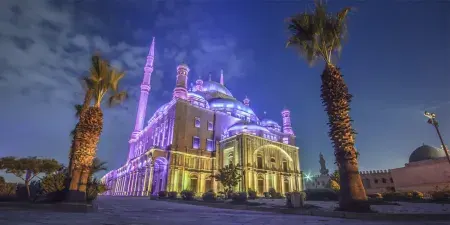
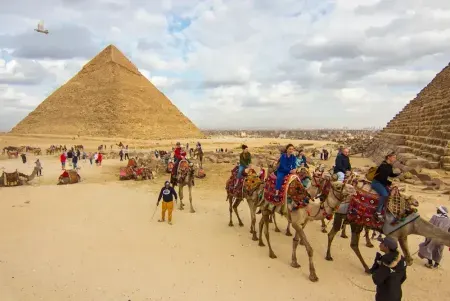
Yes — Cairo is safe for tourists in 2026. The districts that tourists visit — Giza (Pyramids), Downtown, Khan El-Khalili bazaar, Zamalek, Garden City, Maadi, Old Cairo — have high security presence, Tourist Police, and a well-established infrastructure for international visitors. Armed guards and metal detectors are standard at hotel entrances, the Pyramids, the Egyptian Museum, and the Grand Egyptian Museum. Violent crime against tourists is rare. The risks that do exist are: aggressive touts and vendors near the Pyramids (manageable by traveling with a private guide who handles this for you), traffic chaos (do not attempt to drive yourself — use your guide’s private transport), and petty scams targeting unaccompanied tourists (eliminated when you have a reputable local guide).
Is Luxor Safe for Tourists?
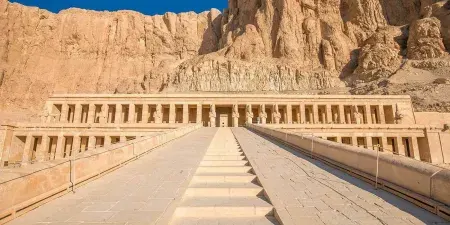
Yes — Luxor is one of the safest cities in Egypt for tourists. Luxor is an almost entirely tourist-oriented city. The entire economy runs on international visitors. The police presence at the Valley of the Kings, Karnak Temple, Hatshepsut Temple and the Luxor Museum is constant. The tourist road along the Nile Corniche in Luxor is safe to walk both day and evening. The Karnak Sound and Light Show runs every night with thousands of international visitors. Egypt For Travel has sent tens of thousands of clients to Luxor without a single serious security incident in years of operation.
Is Aswan Safe for Tourists?
Yes — Aswan is generally considered the most relaxed and friendly city for tourists in all of Egypt. Smaller than Cairo or Luxor, Aswan has a predominantly Nubian population known for their warmth and hospitality. The Corniche along the Nile is peaceful and beautiful. Philae Temple, the High Dam, the Unfinished Obelisk and the Nubian Village visits are all consistently safe. Aswan is the recommended starting point if you want to begin your Nile cruise in the most relaxed city before working north through the bigger sites.
Is a Nile Cruise Safe?
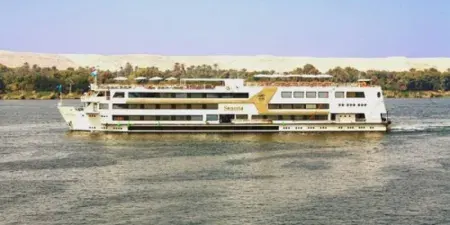
Yes — a Nile cruise between Luxor and Aswan is one of the safest ways to experience Egypt. The Nile corridor is arguably the most heavily policed tourist route in the country. Shore excursion stops — Edfu, Kom Ombo — are specifically geared for cruise visitors with Tourist Police present. Your private Egyptologist guide travels with the group throughout every excursion. The cruise ship itself is your hotel, meaning you are not navigating unfamiliar streets at night to get back to accommodation. Millions of tourists complete this cruise each year without incident. Browse Egypt For Travel’s Nile cruise options to find the right ship for your dates.
What Are the Real Safety Risks in Egypt?
Being honest about this actually increases trust — here is what to genuinely watch for:
- Touts and persistent vendors at major sites (Pyramids, Khan El-Khalili). Solution: private guide handles all of this on your behalf.
- Traffic in Cairo. Egyptian traffic is chaotic by Western standards. Do not attempt to drive yourself. Use your guide’s private vehicle throughout.
- Stomach issues. Drink only bottled water. Avoid ice in drinks outside 5-star venues. Egypt For Travel provides bottled water on all excursions.
- Counterfeit goods at bazaars. Buy antiquities or “certificates of authenticity” only from licensed shops.
- Photography rules. Some sites and all military installations prohibit photography. Your Egyptologist guide will advise at each location.
- Sun and heat. The biggest safety risk for most tourists is dehydration and sunstroke in summer months (June–August) when Luxor and Aswan reach 42°C+. Wear a hat, use sunscreen, carry water.
Is Egypt Safe for Solo Female Travelers?
Egypt requires more awareness for solo female travelers than destinations like Japan or Scandinavia, but it is absolutely manageable. The key is to travel with a reputable private guide rather than navigating independently. When you are with your guide, the difference in experience is dramatic: touts keep their distance, navigation is effortless, and cultural nuances are explained in advance. Most solo female travelers who visit Egypt with Egypt For Travel describe the experience as far more comfortable than they expected. Dress modestly in public spaces (shoulders and knees covered outside beach resorts), which is both respectful and practical for reducing unwanted attention.
Is Egypt Safe for Families with Children?
Yes — Egypt is an outstanding destination for families. The sites are extraordinary for children who have studied ancient history. The private guide format means the experience moves at your family’s pace. The Nile cruise is particularly family-friendly: children have the ship’s pool and deck during the afternoon, and the guided shore excursions are sized for family groups. Food options are excellent — Egyptian cuisine includes many dishes children love. The main consideration for families is the heat in summer months — which is why October to April is recommended for family travel.
Areas to Avoid in Egypt
For total clarity, these are the areas that all Western government advisories flag as genuinely unsafe and that no Egypt For Travel itinerary includes:
- North Sinai governorate (separate from South Sinai where Sharm El Sheikh is located — South Sinai is safe)
- Egyptian-Libyan border region (Western Desert border zone)
- Egyptian-Sudanese border region
None of these areas are on any tourist itinerary. They are hundreds of kilometres from Cairo, Luxor, Aswan, Hurghada, and Sharm El Sheikh.
Frequently Asked Questions About Egypt Safety
Is Egypt safe right now in 2026?
Yes — for the tourist corridor of Cairo, Giza, Luxor, Aswan, the Nile cruise route, Hurghada, Sharm El Sheikh and Alexandria, Egypt is safe for international tourists in 2026. Egypt welcomed 15.7 million visitors in 2024 and is projecting record visitor numbers in 2026. The tourist infrastructure — security, transport, guides, medical services — is well developed for international visitors across all major sites.
What is the US State Department travel advisory for Egypt in 2026?
The US State Department maintains a Level 2 — Exercise Increased Caution advisory for Egypt in 2026. This is not a “do not travel” warning. Level 2 is a standard precaution advisory shared with dozens of European and international destinations. It notes terrorism risks in specific border regions and the limited ability to assist dual Egyptian-US citizens — neither of which affects standard tourist itineraries to Cairo, Luxor, Aswan or the Nile.
Is it safe to travel to Egypt alone?
Yes, with appropriate planning. Solo travelers — both male and female — visit Egypt regularly and safely. The most important decision is to book a private guide for your excursions rather than navigating independently, especially at major archaeological sites where unaccompanied tourists are targeted by aggressive vendors and unofficial “guides.” With Egypt For Travel, all tours are private, your licensed Egyptologist travels with you throughout, and transport is in a private air-conditioned vehicle — which removes the vast majority of situations that cause difficulty for solo travelers.
Is it safe to take a Nile cruise in 2026?
Yes — the Nile cruise between Luxor and Aswan is one of the safest travel formats in Egypt. The route is the country’s most intensively managed tourist corridor, with Tourist Police at every shore excursion stop, private Egyptologist guides on every shore visit, and the ship itself as your secure base throughout. See Egypt For Travel’s full Nile cruise fleet for options at every price point from $499 per person.
Ready to book your Egypt trip? Egypt For Travel is a licensed Egyptian travel agency (ETA Category A Licence No. 1947) with years of experience arranging private tours for international visitors. Every tour includes a private licensed Egyptologist guide, private air-conditioned transport, and 24/7 WhatsApp support throughout your trip. Contact us on WhatsApp: +20 155 555 2466.