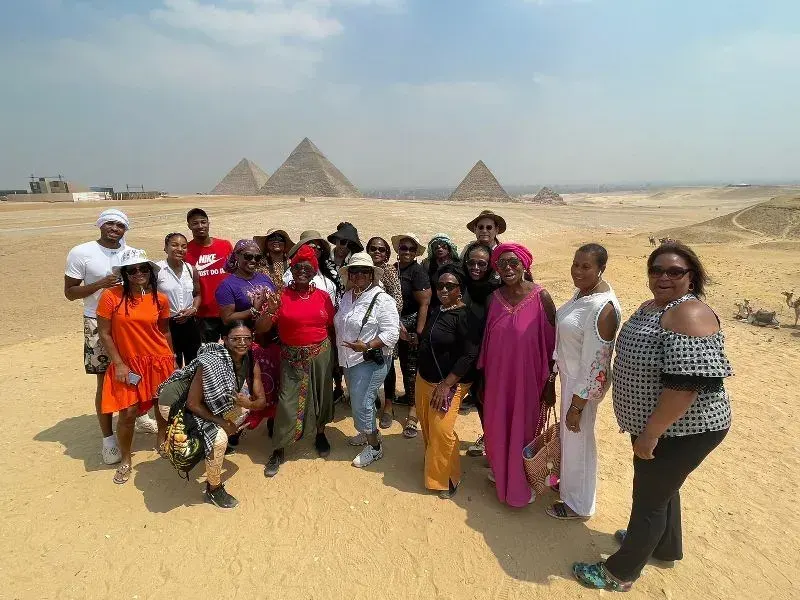
Egypt is one of the most rewarding destinations on earth for a first-time visitor — and one of the most overwhelming if you arrive unprepared. The country operates differently from Western Europe or North America: the pace is different, the customs are different, the negotiating culture is different, and the sheer scale of the ancient sites is something no photograph prepares you for. Egypt For Travel has been guiding first-time visitors to Egypt since 2003. Here are the 15 things we tell every first-time visitor before they arrive, based on the questions we answer every day. Read this before you book. Read it again before you pack.
Before You Travel
1. Your Egypt Visa Costs $25 and Takes 2 Minutes
Most nationalities — including all US, UK, EU, Canadian and Australian passport holders — can obtain a tourist visa on arrival at Cairo Airport for $25 USD (or equivalent in GBP/EUR). You pay at the bank window before passport control, receive a sticker visa, and proceed through immigration. The whole process takes 2–5 minutes. Alternatively, apply online at visa2.egypt.gov.eg for an e-visa before departure (same $25 fee, single entry, valid 30 days). Both options work equally well. There is no advantage to applying in advance unless you prefer to have the paperwork done. Full details in our Egypt Visa Requirements 2026 guide.
2. The Best Time to Visit Is October to April
Egypt’s desert climate means summer (June–August) in Luxor and Aswan reaches 42–46°C — manageable with early starts but brutal for unprepared first-time visitors. October to April is the ideal window: 18–28°C in Cairo, 22–30°C in Luxor and Aswan, clear skies every day. December is peak season and the finest sightseeing month — see our Egypt in December guide. November is the sweet spot for first-timers: excellent weather, manageable crowds, standard pricing. See the complete Best Time to Visit Egypt guide for month-by-month detail.
3. Book Your Nile Cruise Ship Early — Very Early
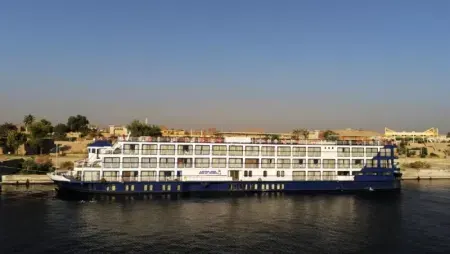
The most common first-time visitor mistake is leaving the Nile cruise to the last minute. The most popular ships — King of Thebes, Kira, JAZ Jubilee, MS Magic I, Steigenberger Senator — fill up 2–3 months in advance for October–April sailings. December Christmas and New Year sailings fill up by September. If you want a specific ship or specific cabin category (Nile-view vs pool-view), book first, then arrange flights. The cruise is the centrepiece of any Egypt itinerary — do not let availability dictate your ship choice. Contact Egypt For Travel on WhatsApp: +20 155 555 2466 to check availability.
4. Decide on Your Itinerary Before You Land
First-time visitors typically underestimate how much there is to see and overestimate how much they can cover in a day. The Valley of the Kings alone deserves 3–4 hours. Karnak Temple at dawn is a full 2-hour experience. The Grand Egyptian Museum (GEM) needs a minimum of 3 hours. Trying to combine all of Cairo’s highlights in one day produces rushed, shallow experiences. Egypt For Travel’s recommended minimum is 8 days for Cairo + Nile cruise. For first-timers from the USA, see the 7-Night Egypt Tour from USA from $1,599. For first-timers who want everything including a beach recovery, the 11-Day All-Inclusive from $1,799 is the right structure.
Money, Tipping and Scams
5. Cash Is Essential — Carry Small Bills at All Times
Egypt is primarily a cash economy outside of hotels and international restaurants. Egyptian Pounds (EGP) are the currency — US dollars, euros and British pounds are widely accepted at tourist sites and larger shops but you will get better value paying in EGP. ATMs are widely available in Cairo, Luxor and Aswan. Carry small bills (5, 10, 20 EGP) at all times — for tips, small purchases, entry to lesser-known sites and offering baksheesh. Never arrive at a site without small change.
6. Tipping Is Part of Egyptian Culture — Know the Amounts
Tipping — called baksheesh — is deeply embedded in Egyptian culture and is not optional. Refusing to tip is considered rude. The amounts are modest: Egyptologist guide $10–$15 per day, private driver $5–$8 per day, hotel porter $1–$2 per bag, restaurant 10% of the bill, toilet attendant 5–10 EGP, Nile cruise crew $10–$12 per night collectively. See our complete Tipping in Egypt 2026 guide for every scenario.
7. The Papyrus Shop, the Perfume Factory and the Cotton Store
This is the scam that catches the most first-time visitors. Your driver or a “friendly local” will offer to take you to a papyrus institute, perfume factory or government cotton store “on the way” to your next site. These are commission shops. The papyrus is almost certainly banana-leaf papyrus, not genuine reed papyrus. The perfumes are heavily diluted. The prices are vastly inflated. Egypt For Travel never takes clients to commission shops. If anyone suggests a stop that was not in your program, politely decline. All Egypt For Travel programs use direct routes between sites with no unplanned stops.
8. Bargaining Is Expected in Markets — Not in Shops or Restaurants
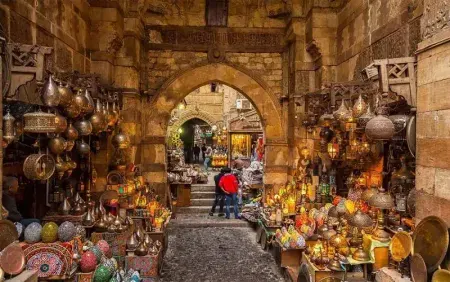
In the Khan El-Khalili Bazaar and open souk stalls, bargaining is standard — the first price offered is rarely the real price. Start at 40–50% of the asking price and settle around 60–70%. In fixed-price shops, hotels, restaurants and official sites, prices are non-negotiable. The rule: if there is no price tag, bargain. If there is a price tag, pay it.
At the Sites
9. Start Every Major Site at Opening Time
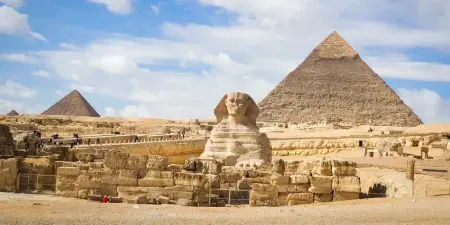
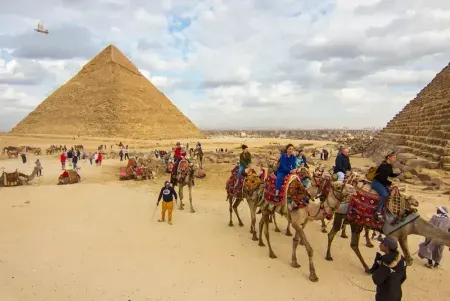
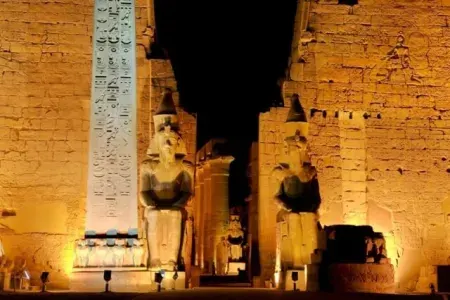
This is the single most important practical tip for first-time visitors to Egypt. The Pyramids of Giza open at 7:00 AM — arrive then and you have the plateau almost to yourself for 90 minutes before the tour buses arrive at 9:30 AM. Karnak Temple opens at 6:00 AM — the dawn light through the Hypostyle Hall columns with no crowds is one of the most extraordinary experiences in Egypt. The Valley of the Kings opens at 6:00 AM — visit KV9 and KV11 before 8:00 AM and you may have the tomb paintings entirely to yourself. Egypt For Travel always schedules early morning starts. If your current guide or tour company starts at 9:00 AM, you are missing the best Egypt has to offer.
10. The Grand Egyptian Museum Is Non-Negotiable
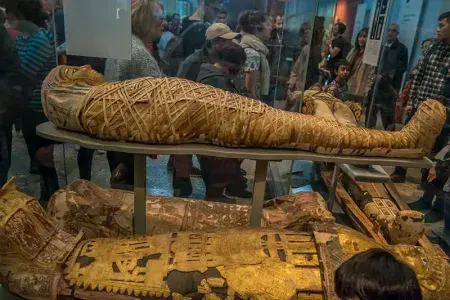
The Grand Egyptian Museum (GEM) opened November 2025 and is the most significant museum opening in the world in decades. It houses all 5,398 artefacts from Tutankhamun’s tomb together in one space for the first time — including the solid gold death mask (10.23kg), the golden throne, two reassembled chariots and hundreds of objects never displayed publicly before. It is located 2km from the Pyramids of Giza. Every Egypt For Travel Cairo program includes the GEM on Day 1. Allocate a minimum of 3 hours. Book tickets in advance.
11. Dress Code for Sites and Cities
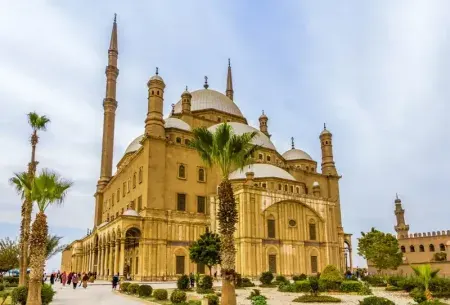
Egypt is a predominantly Muslim country and conservative dress is a sign of respect — and practically useful in the heat. At religious sites (mosques, Coptic churches), both men and women must cover shoulders and knees; women should carry a light scarf for head covering at mosques. At ancient sites (Pyramids, Valley of Kings, Karnak), there is no formal dress code but light, breathable clothing that covers the shoulders reduces sun exposure. In Cairo’s tourist districts and hotels, Western dress is accepted. On the Nile cruise, smart casual in the evenings is the norm.
12. Drink Only Bottled Water — Without Exception
Tap water in Egypt is not safe to drink for tourists. Drink only sealed bottled water — provided by Egypt For Travel on all excursions — and avoid ice in drinks outside of 5-star hotels. Brushing teeth with bottled water is also recommended for the first few days until your system adjusts. Bottled water (0.5L) costs 5–10 EGP at any kiosk. Stomach issues from water are the most common health complaint from first-time visitors to Egypt; this single precaution eliminates the risk.
Culture and Safety
13. Egypt Is Safe for Tourists — in the Tourist Areas
Egypt welcomed 18 million tourists in 2025 — the highest number since 2010. The US State Department maintains a Level 2 advisory for Egypt — the same rating as France, Germany and Japan. The tourist corridor — Cairo, Luxor, Aswan, the Nile cruise route, Hurghada and Sharm El Sheikh — is safe and well-policed. Areas to avoid are the North Sinai and the Libyan border region, neither of which are on any tourist itinerary. A private Egyptologist guide from Egypt For Travel eliminates virtually all safety and navigation concerns for first-time visitors. See our complete Is Egypt Safe 2026 guide.
14. A Private Guide Changes Everything
The difference between visiting Egypt with a licensed private Egyptologist guide and visiting without one is the difference between understanding what you are seeing and simply looking at it. The Valley of the Kings with a guide who can read the hieroglyphics on the tomb walls, explain the Book of the Dead symbolism and identify the cartouches of each pharaoh is a profoundly different experience from walking through the same tombs with only a guidebook. Egypt For Travel’s Egyptologist guides hold university degrees in Egyptology and are licensed by the Egyptian Tourism Authority (ETA Category A Licence No. 1947). Every program includes a private guide throughout.
15. Learn Five Arabic Words Before You Arrive
English is widely spoken in tourist areas, hotels and by all Egypt For Travel guides. However, five Arabic words will open doors, generate smiles and create moments of genuine connection that no English phrase can replicate: Ahlan (hello), Shukran (thank you), La shukran (no thank you — useful for declining vendors), Bikam? (how much?) and Inshallah (God willing — used by Egyptians constantly, and always appreciated when a foreigner uses it appropriately). Use them. Egyptians are extraordinarily warm to visitors who make any attempt at Arabic.
Which Egypt Program Is Right for a First-Time Visitor?
| If You Have | Best Program | From |
|---|---|---|
| 3–4 days | Cairo 3 Days — Pyramids, GEM, Islamic Cairo | $349 |
| 5 days | 5 Days Cairo & Luxor — adds Valley of Kings | $749 |
| 7–8 days | 7-Night Egypt from USA — Cairo + Nile cruise | $1,599 |
| 9–11 days | 11 Days All-Inclusive — Cairo + Nile + Hurghada | $1,799 |
| 14–15 days | 15 Days Complete Egypt — adds Abu Simbel & Sharm | $2,499 |
Frequently Asked Questions
How many days do I need for a first trip to Egypt?
Eight days is the ideal minimum for a first trip: 3 days in Cairo covering the Pyramids, the GEM and Islamic Cairo, plus a 3-night Nile cruise from Aswan to Luxor covering Philae, Edfu, Kom Ombo, the Valley of the Kings and Karnak. Five days is possible if you focus only on Cairo and Luxor. Anything fewer than 4 days produces a surface-level experience. See our Egypt Itinerary 2026 guide for day-by-day planning.
What should I absolutely not miss on a first trip to Egypt?
The non-negotiables: Pyramids of Giza at dawn, the Grand Egyptian Museum (opened November 2025), the Valley of the Kings at 6:00 AM, Karnak Temple, Philae Temple by motorboat, and at least one evening on the Nile cruise sun deck watching the desert banks pass in the fading light. If you have 2 extra days, add Abu Simbel — most first-time visitors say it was the most extraordinary thing they saw in Egypt.
Do I need a guide or can I visit Egypt independently?
You can visit Egypt independently, but a private licensed Egyptologist guide transforms the experience beyond recognition. At the Valley of the Kings, a guide who reads hieroglyphics and explains the mythology turns anonymous painted walls into living history. At the GEM, navigating 100,000 artefacts without guidance produces overwhelm rather than understanding. Egypt For Travel’s private Egyptologist guides are included in every program, licensed by ETA (Category A Licence No. 1947), and tailored to your interests and pace. The cost is included in the program price.
What is the biggest mistake first-time visitors make in Egypt?
Three common mistakes: arriving in December without booking a Nile cruise in advance (ships are full by October), trying to cover Cairo + Nile + Red Sea in less than 8 days (always results in rushing), and accepting unplanned stops from a driver to “papyrus institutes” or “perfume factories” (always commission shops). All three are eliminated by booking a private program with Egypt For Travel. Contact us on WhatsApp: +20 155 555 2466 — ETA Category A Licence No. 1947.