Dendera & Abydos Temples Day Tour from Luxor — The Sacred Circuit of the North
Overview
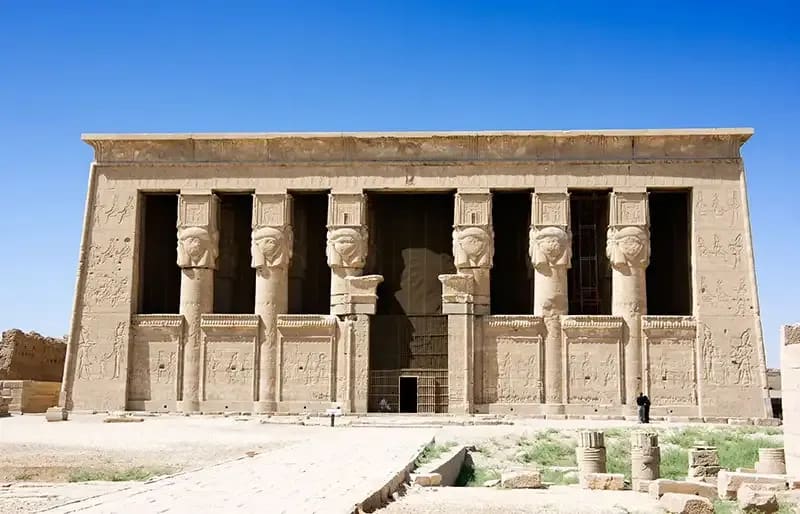
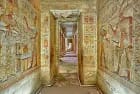
North of Luxor, the Nile Valley holds two temples that stand apart from everything else in Egypt — not because they are better known than Karnak or the Valley of the Kings, but because what they contain is unlike anything at those sites. Dendera Temple — dedicated to Hathor, goddess of love and the sky — is the best-preserved ancient Egyptian temple in the country, its painted ceilings intact, its underground crypts accessible, its rooftop zodiac the most celebrated ancient astronomical monument in the world. Abydos — the most sacred city in ancient Egypt, burial place of the earliest pharaohs, and site of the Temple of Seti I with the finest painted reliefs in any Egyptian temple — is the place where the myth of Osiris was enacted as living theatre for over a thousand years. Together, these two temples make the most intellectually rewarding day trip from Luxor available.
Temple 1: Dendera — Hathor's Perfect House
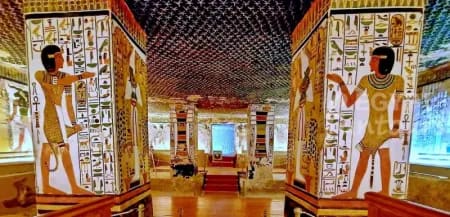
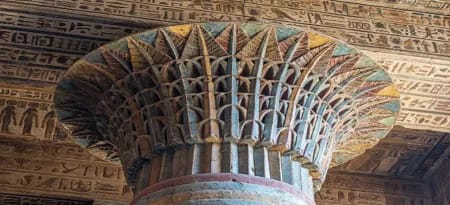
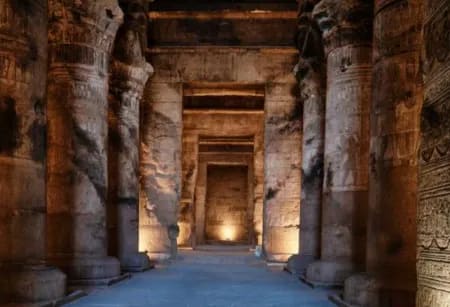
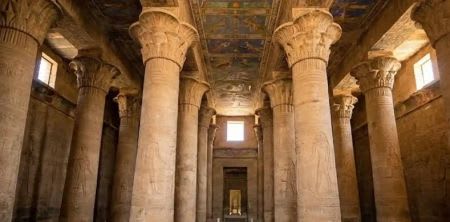
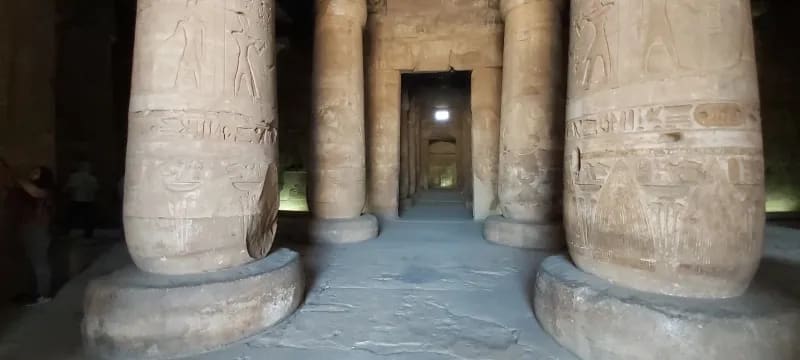
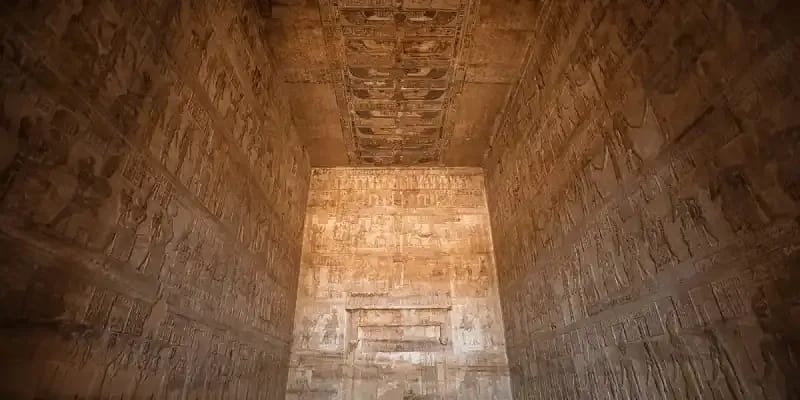
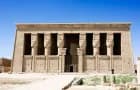
Built primarily during the Ptolemaic period (c. 54 BC – 20 AD) but incorporating earlier structures, the Temple of Hathor at Dendera is unique in Egyptian temple archaeology for one reason above all others: its roof is intact. The great stone ceiling of the hypostyle hall — carved and originally painted in the first century BC — still covers the hall below it, protecting the painted columns from 2,000 years of weathering. As a result, the colours in the Dendera hypostyle hall are the most preserved of any ancient Egyptian interior: deep blue astronomical ceilings, ochre column figures, red and green painted reliefs, and the dim filtered light that the ancient temple designers intended.
The Dendera Zodiac
The most famous object ever removed from an Egyptian temple is the circular Dendera Zodiac — a carved bas-relief astronomical ceiling from the Hathor Temple's roof chapel, representing the Egyptian sky as it appeared around 50 BC. The original is now in the Louvre Museum in Paris (removed by a French expedition in 1821 and replaced by a plaster cast). Your guide will explain what each constellation represents, how the Egyptians integrated Babylonian zodiac signs with their own astronomical tradition, and why the Dendera Zodiac was critical in the early 19th-century decipherment of hieroglyphs.
The Underground Crypts
Dendera contains a system of underground crypts beneath the temple floor — narrow passages accessible by ladder, their walls carved with ritual objects and divine images that were never meant to be seen by ordinary worshippers. The crypts held the most sacred objects of the temple cult during periods of ritual danger and during the annual New Year Festival. Egypt For Travel arranges access to the crypts for visitors who want to experience one of the least-visited spaces in any Egyptian temple. Your guide's torch will illuminate carvings that have not seen daylight since they were sealed 2,000 years ago.
Temple 2: Abydos — Where Egypt's Sacred History Began
Abydos was the most sacred city in ancient Egypt — the burial place of Osiris (according to religious belief), the necropolis of the earliest pharaohs, and the site where the great Osiris Mystery Plays were performed annually for over a thousand years. It is 160 km north of Luxor — a 2-hour drive — and its relative remoteness means it receives a fraction of the visitors of the Luxor sites, making it one of the most peacefully rewarding temple experiences in the country.
The Temple of Seti I
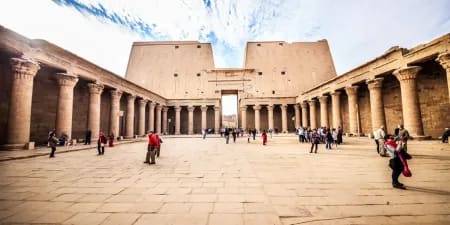
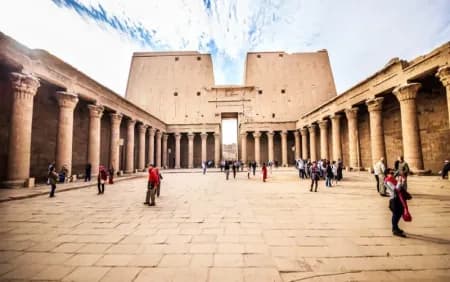
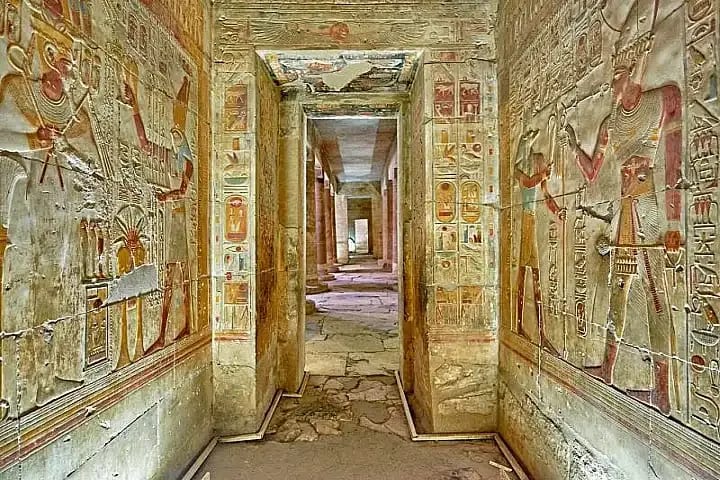
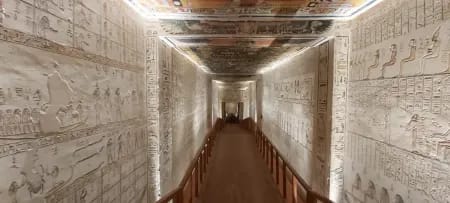
Built by Seti I (father of Ramesses II) around 1280 BC and completed by Ramesses II, the Temple of Seti I at Abydos contains the finest painted reliefs in any Egyptian temple — the quality of execution, the subtlety of colour, and the expressiveness of the figures surpassing even the famous paintings of Nefertari's Tomb. The temple has seven shrines side by side, each dedicated to a different deity, and each painted in a distinct style. The Gallery of the Kings — a corridor within the temple where Seti I and the young Ramesses II are depicted making offerings to a list of 76 royal predecessors — is the most complete surviving record of ancient Egyptian royal succession, and the source of the famous Abydos King List that Egyptologists use to date dynasties. Your guide will read the king list, identifying each cartouche and explaining why several predecessors (Hatshepsut, Akhenaten, and others) were deliberately omitted.
What no other guide tells you: In the innermost sanctuary of the Abydos Temple of Seti I, there is a small chamber so sacred that even its existence was not publicly acknowledged in antiquity — the Osireion, a separate cenotaph built for Seti I immediately behind the main temple, designed to replicate the mythological burial mound of Osiris on the primordial island surrounded by the Nile. The Osireion is partially submerged in groundwater, its massive granite blocks so perfectly fitted they appear fused. It was not excavated until 1902 and is still incompletely understood. Your guide will take you there — it is one of the strangest and most affecting spaces in Egypt.
| Temple | Distance from Luxor | Entry Fee | Star Feature |
|---|---|---|---|
| Dendera Temple | ~60 km north (1 hr) | ~300 EGP — included | Intact painted ceiling · Dendera Zodiac cast · underground crypts |
| Temple of Seti I, Abydos | ~160 km north (2 hrs) | ~260 EGP — included | Finest painted reliefs in Egypt · Abydos King List · the Osireion |
| Duration: Full Day (10 hrs with drives) | Type: Private Egypt Travel | Run: Everyday |
Included
- Private licensed Egyptologist guide throughout
- Private air-conditioned vehicle — hotel or cruise ship pickup and drop-off
- Dendera Temple entrance (~300 EGP) including crypt access
- Abydos Temple of Seti I entrance (~260 EGP) including Osireion access
- Lunch at a recommended restaurant en route
- Bottled water throughout the day
- All taxes and service charges
Excluded
- Optional: Temple of Ramesses II at Abydos (small separate structure, ~120 EGP extra)
- Personal spending and tips
Itinerary:
06:30 — Hotel/cruise pickup (early start essential for the long drive)
07:30–09:00 — Dendera Temple: hypostyle hall · painted ceilings · zodiac cast · underground crypts · roof chapel
09:00–11:00 — Drive north to Abydos (~2 hours)
11:00–12:00 — Lunch at a local restaurant near Abydos
12:00–14:00 — Temple of Seti I: seven sanctuaries · King List Gallery · Osireion · optional Temple of Ramesses II
14:00–16:00 — Return drive to Luxor
16:00 — Hotel/cruise drop-off
Prices:
Prices
Notes:
Prices Policy
All prices per person. Private available at a premium for groups wanting exclusive use — contact Egypt For Travel for pricing. Weather cancellations receive a full rescheduling without penalty.
Departure Tips
Early pickup is essential — the drives are long. Bring sunscreen for Abydos (exposed site). Dendera's interior is cool and dim — your eyes will need a few minutes to adjust. The underground crypts require bending and navigating narrow passages — not suitable for claustrophobics.
Payment Policy
25% deposit to confirm booking. Peak season (October–April): 50% deposit. The slot must be confirmed well in advance during peak season.
Installment Policy
Installments available for groups. Contact Egypt For Travel via WhatsApp (+20 155 555 2466).
Tipping Guide
Customary $5–10 per person, paid directly to the crew after the post-landing celebration. Boat captain: 20–50 EGP. Driver: $5–8 per day.
Cancellation Policy
61+ days: 10% · 31–60 days: 20% · 15–30 days: 50% · 1–14 days: 100%. Weather cancellations are rescheduled without charge — this is not a standard cancellation.
.webp)
 -.webp)