Luxor East Bank Private Tour — Karnak Temple & Luxor Temple with Egyptologist Guide

Overview
The East Bank of Luxor contains two of the most extraordinary ancient monuments on Earth — and they are built in entirely different traditions, for entirely different purposes, in periods separated by more than a century, yet connected by a 3-kilometre processional avenue that you can walk today. Karnak Temple — the largest religious complex ever built — was the daily home of the god Amun, tended by a priesthood of thousands. Luxor Temple — smaller, more harmonious, more intimate — was built for a specific annual event: the Opet Festival, when Amun processed from Karnak to Luxor in his sacred barque for the renewal of the pharaoh's divine power. Together they tell the complete story of New Kingdom Theban religion — and a single half-day with a private Egyptologist guide tells it more compellingly than any book.
Karnak Temple — 200 Acres, 1,500 Years of Building
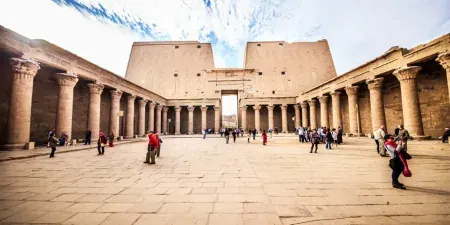
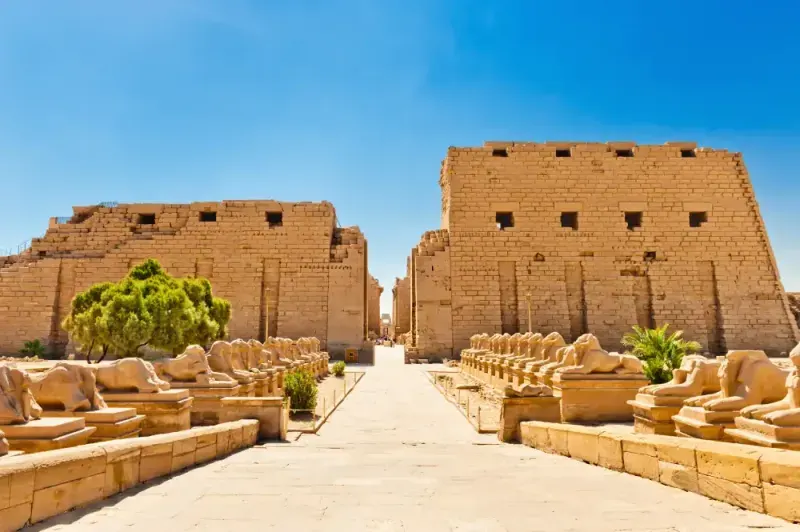
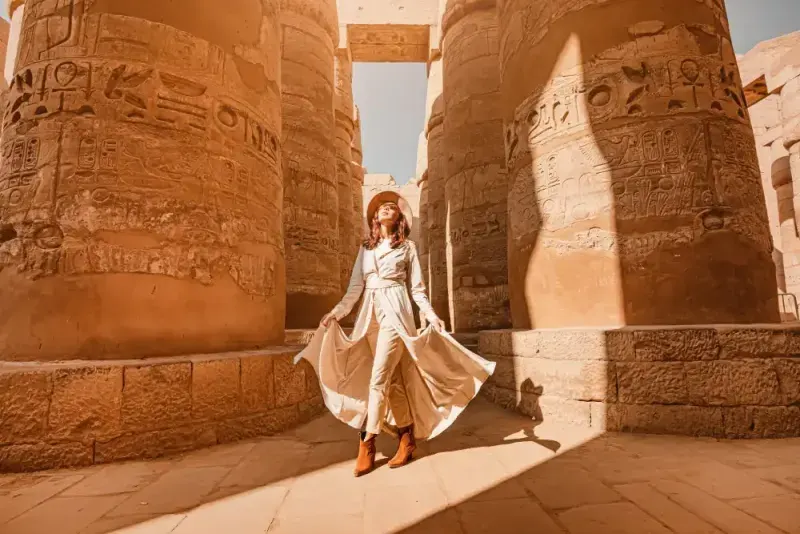
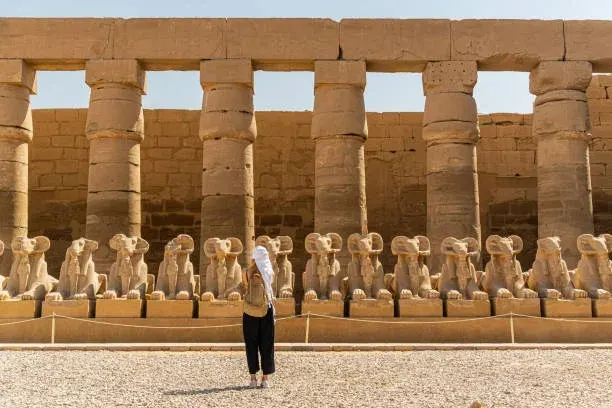
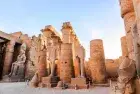
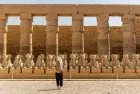
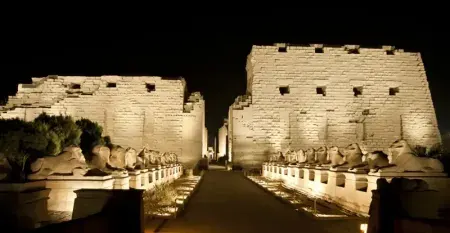
Begin at Karnak in the morning, when the light enters the hypostyle hall from the east and catches the carved reliefs at their most dramatic angle. The approach through the ram-headed sphinx avenue prepares you for the scale of what follows: a first pylon 113 metres wide and 43 metres high (unfinished — the brick construction ramps are still visible inside the pylon, never having been removed), leading to an open court, then the Great Hypostyle Hall.
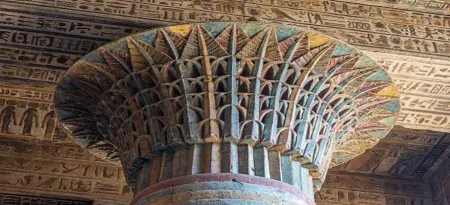
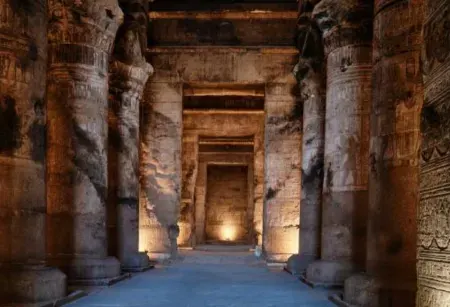
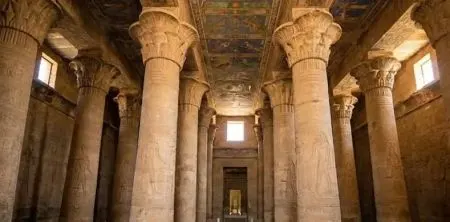
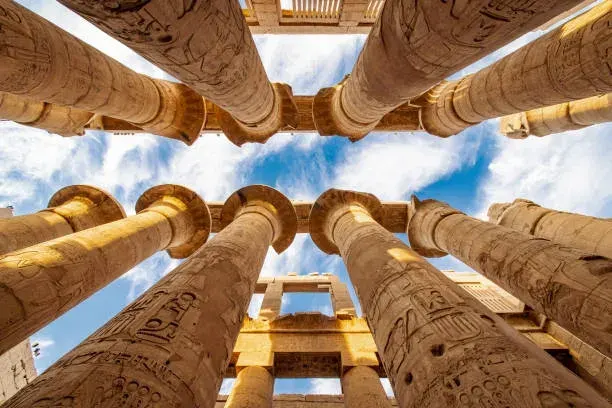
The hypostyle hall is the single most impressive interior space in ancient Egypt — 134 papyrus-form columns arranged in 16 rows, the central avenue of 12 columns reaching 23 metres high, each column wider than a person's arm span, every surface covered in carved and painted scenes. The hall was begun by Seti I and completed by Ramesses II — the difference in their working styles is visible to your Egyptologist guide: Seti I's more careful, deeply cut reliefs on the northern side; Ramesses II's faster, more shallow work on the southern side (his additions produced more quantity but less quality). Your guide will point this out specifically.
Beyond the hypostyle hall: the obelisks of Hatshepsut (the tallest ancient obelisks still standing in Egypt, their electrum-tipped peaks visible from across the Nile), the Festival Hall of Thutmose III with its extraordinary "botanical garden" reliefs (plants and animals brought back from Thutmose III's Asian campaigns, the oldest natural history illustrations in the world), and the Sacred Lake — where the priests bathed daily before entering the inner temple.
The Avenue of Sphinxes — Walking the Opet Festival Route
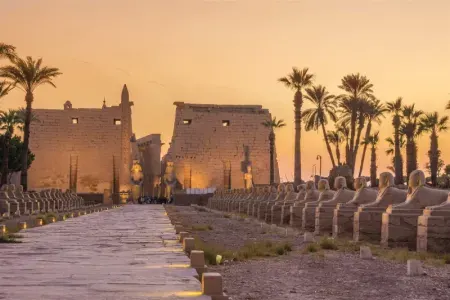
The Avenue of Sphinxes — 3 kilometres of sphinx-lined processional way connecting Karnak to Luxor Temple, restored and reopened in 2021 for the first time since antiquity — is one of the great walks in Egypt. Your guide will accompany you along a section of it, explaining the Opet Festival whose procession used this route annually for centuries, and identifying the different historical periods represented by different sections of the avenue.
Luxor Temple — The Opet Sanctuary
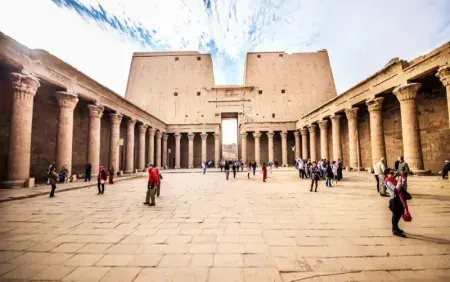
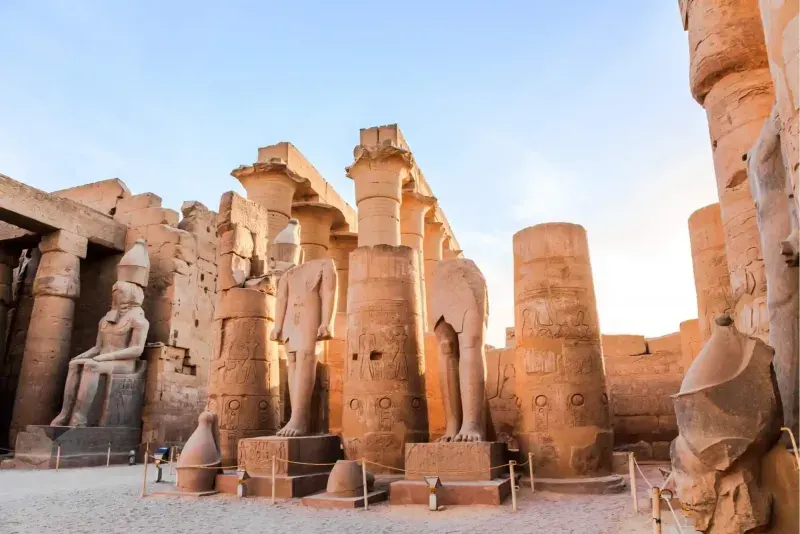
Visit Luxor Temple in the late afternoon when the light is warm and low — the great pylon of Ramesses II turns from honey to amber, the standing colossi glow, and the inner court of Amenhotep III becomes a luminous space of perfect proportions. Your guide will explain:
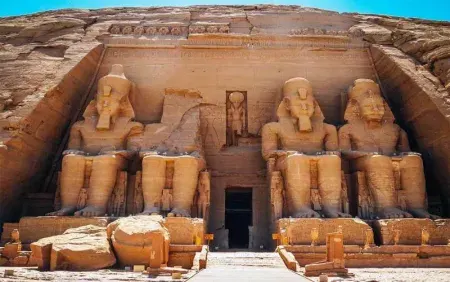
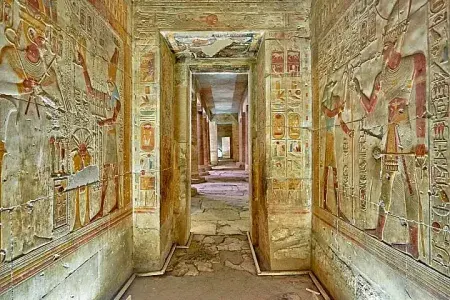
The Ramesses II court — enclosed by the 74-tonne seated and standing colossi, its walls covered in the text and imagery of the Battle of Kadesh. The processional colonnade of Amenhotep III — 14 papyrus-bud columns 16 metres high, the most elegant ancient colonnade in Egypt, its walls recording the Opet Festival procession. The inner sanctuary — the room where the sacred renewal of the pharaoh's divine power took place, its walls (in a rare surviving example) covered in the reliefs of the ceremony itself. And the Abu el-Haggag Mosque built inside the temple in the 13th century — three civilisations occupying one building simultaneously.
| Site | Entrance Fee | Best Visited |
|---|---|---|
| Karnak Temple | 600 EGP — included | Morning — eastern light enters hypostyle hall from behind |
| Avenue of Sphinxes | Free — included in Karnak area | Any time — walk south toward Luxor Temple |
| Luxor Temple | 500 EGP — included | Late afternoon/evening — warm light on the great pylon |
| Duration: Half Day (Karnak only) or Full Day (both) | Type: Privet Tour | Run: Everyday |
Included
- Private licensed Egyptologist guide
- Private air-conditioned vehicle — hotel/cruise pickup and drop-off
- Karnak Temple entrance (600 EGP)
- Luxor Temple entrance (500 EGP)
- Avenue of Sphinxes walk
- Bottled water throughout
- All taxes and service charges
Excluded
- Optional: Karnak Sound & Light Show if visiting in the evening (separate ticket — see our Sound & Light tour)
- Lunch
- Personal spending and tips
Itinerary:
08:00 — Hotel/cruise pickup
08:30–10:30 — Karnak Temple: hypostyle hall · sacred lake · Hatshepsut obelisks · Festival Hall
10:30–11:00 — Avenue of Sphinxes walk southward
11:30–12:30 — Lunch (optional — recommended local restaurant)
15:00–16:00 — Luxor Temple: best light in late afternoon
16:30 — Return to hotel/cruise
Prices:
Prices
Notes:
Prices Policy
All prices per person. Private available at a premium for groups wanting exclusive use — contact Egypt For Travel for pricing. Weather cancellations receive a full rescheduling without penalty.
Departure Tips
Pickup is at 04:30 — the earliest of any Egypt For Travel tour. Set two alarms. Bring warm clothing — the desert at pre-dawn is significantly cooler than during the day (can be 12–15°C in winter). A fully charged phone or camera is essential. Wear closed-toe shoes.
Payment Policy
25% deposit to confirm booking. Peak season (October–April): 50% deposit. The slot must be confirmed well in advance during peak season.
Installment Policy
Installments available for groups. Contact Egypt For Travel via WhatsApp (+20 155 555 2466).
Tipping Guide
Customary $5–10 per person, paid directly to the crew after the post-landing celebration. Boat captain: 20–50 EGP. Driver: $5–8 per day.
Cancellation Policy
61+ days: 10% · 31–60 days: 20% · 15–30 days: 50% · 1–14 days: 100%. Weather cancellations are rescheduled without charge — this is not a standard cancellation.
.webp)
 -.webp)