• +201555552466
  • [email protected]
USD ($)
  • USD ($)
  • EUR (€)
  • GBP (£)
English
  • English
  • Español
Egypt For Travel
USD ($)
  • USD ($)
  • EUR (€)
  • GBP (£)
Egypt
  • English
  • Español
  • Home
  • Egypt Tours 2026
    • Egypt Travel Packages
    • Nile Cruises
    • Egypt Multi-Country Trips
    • Egypt Day Tours
  • Jordan
    • Trips to Jordan
    • Jordan Day Tours
    • Jordan Combined Tours
  • Saudi Tours
    • Saudi Tours
    • Saudi Day Tours
    • Saudi Combined Tours
  • Morocco
    • Morocco Tours
    • Morocco Day Tours
    • Morocco Combined Tours
  • Blog
    • Jordan Tourist
    • Morocco Tourist
    • Saudi Tourist
    • Egypt Tourist
  • About
    • WHY US
    • Terms and Conditions
    • Responsible Travel
    • About Us
Inquire
  • Home
  • Egypt Tours 2026
  • Egypt Day Tours 2026 — Private Guided Tours from $55
  • Esna Temple Private Tour from Luxor — The Hidden Gem of Upper Egypt
Esna Temple Private Tour from Luxor — The Hidden Gem of Upper Egypt
Luxor, Esna

(1,186 Reviews)
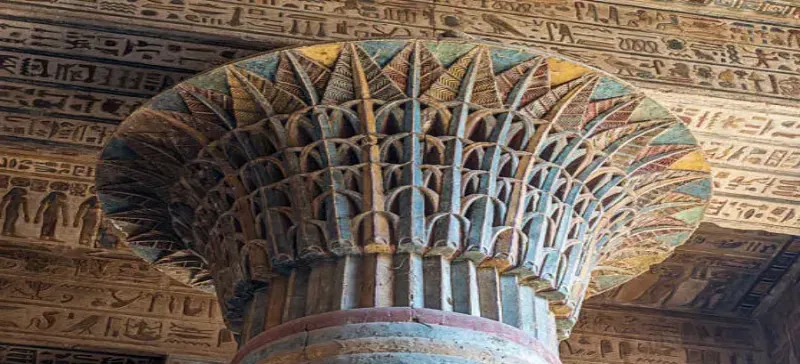
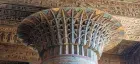
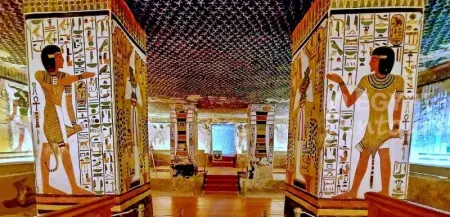
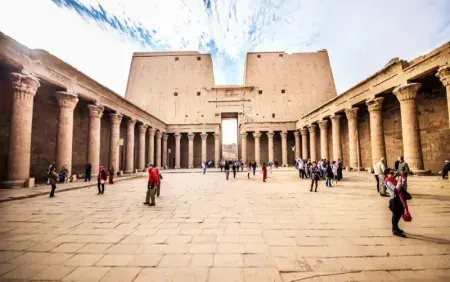
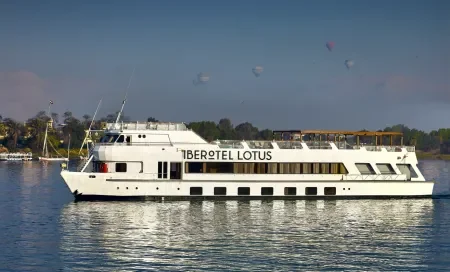
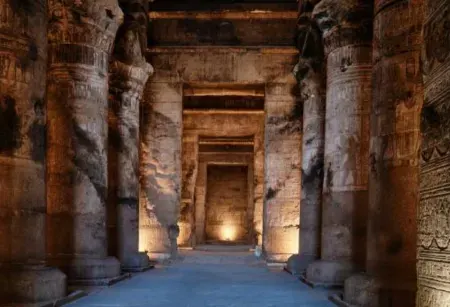
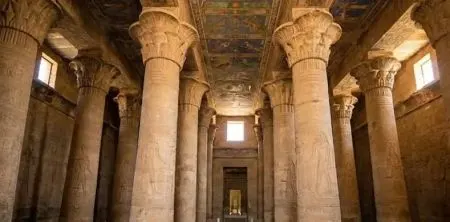
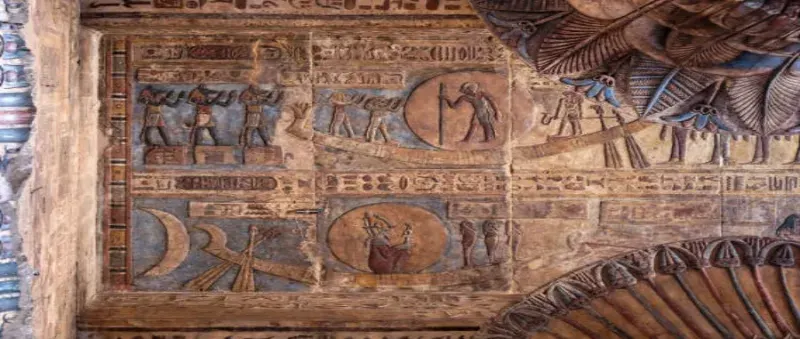
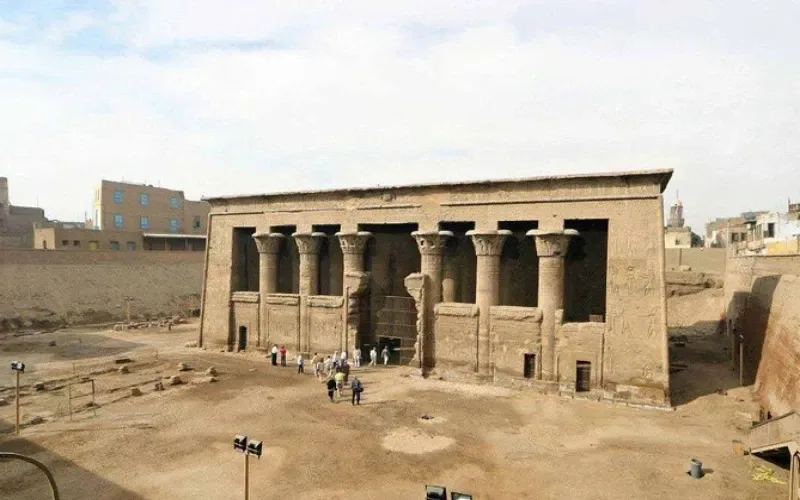
Esna Temple painted ceiling — the most colourful ceiling of any Egyptian temple
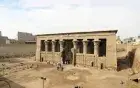
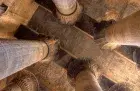
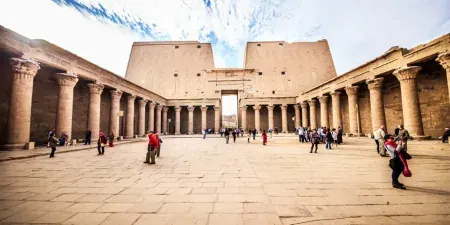
Egypt For Travel private Esna Temple tour from Luxor — 55km south, 1 hour drive
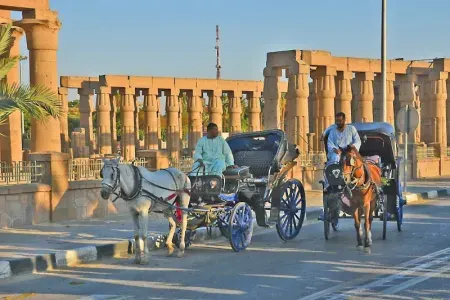
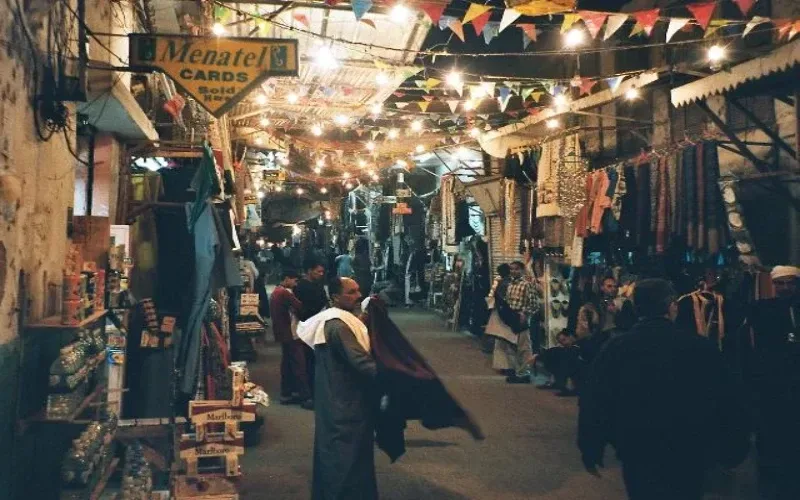
Esna town bazaar — authentic Upper Egyptian market between car park and temple
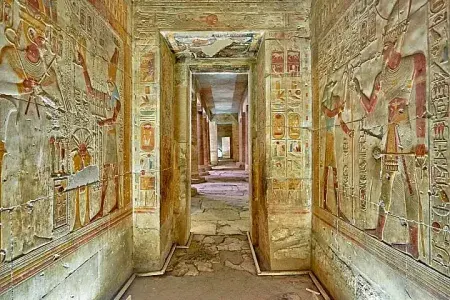
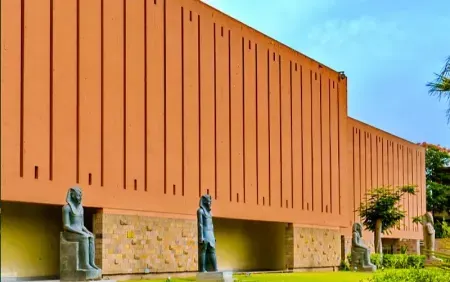
Esna cryptographic inscriptions — entire paragraphs written in crocodile hieroglyphs
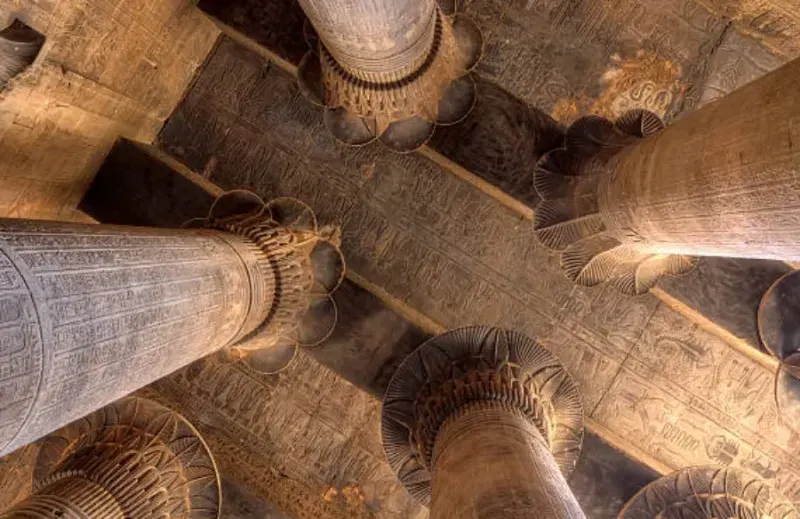
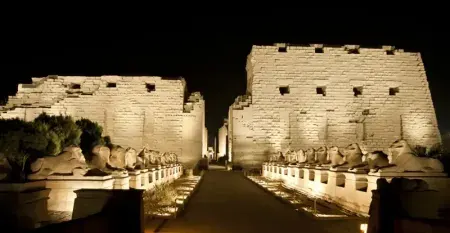
Esna Temple of Khnum — painted hypostyle hall sunk 9 metres below the modern town
Esna Temple painted ceiling — the most colourful ceiling of any Egyptian temple
Egypt For Travel private Esna Temple tour from Luxor — 55km south, 1 hour drive
Esna town bazaar — authentic Upper Egyptian market between car park and temple
Esna cryptographic inscriptions — entire paragraphs written in crocodile hieroglyphs
Esna Temple of Khnum — painted hypostyle hall sunk 9 metres below the modern town

Overview

Every Nile cruise ship passes through the Esna Lock — the river lock 55 km south of Luxor where ships queue for up to two hours while the lock fills and empties. Every passenger stands on deck watching the town of Esna go by. Almost none of them visit the Temple of Khnum — and almost all of them should, because what is waiting for them in the centre of town, sunk into an excavation pit 9 metres below street level, is one of the most unexpectedly beautiful ancient monuments in Egypt. Egypt For Travel's Esna Temple Private Tour from Luxor takes you there and back in a comfortable half-day — 55 km south of Luxor, into the heart of an authentic Upper Egyptian market town, and down into a Roman-era hypostyle hall whose painted ceilings are the most vivid in any Egyptian temple outside Dendera.

The Temple of Khnum — A Hidden Beauty

The Temple of Khnum at Esna is one of the least-visited and most underrated temples in Egypt. What survives today is just the hypostyle hall — the original temple stretched back from this hall for another 200 metres, but everything behind the hall was demolished over the centuries, its stone used for construction in the medieval town. The hall itself was built by Roman emperors from the 1st to the 3rd century AD — making it the latest-built ancient Egyptian temple hall in existence — but decorated in the Egyptian tradition with hieroglyphic texts and painted relief scenes of pharaonic character.

The Colours

Esna Temple is unlike any other temple in Egypt in one specific way: the painted colours on the ceiling are extraordinary. Because the hall was used as a storage facility for cotton and other goods during the 19th century (the accumulated debris that covered and protected it was only excavated in the 1840s), the ceiling escaped the tourist damage and atmospheric degradation that has bleached the colours from most Egyptian temple interiors. The blue, green, gold, and red of the astronomical ceiling — depicting the birds, flowers, and divine symbols of the traditional Egyptian sky — retain an almost freshly painted quality that makes Dendera look faded by comparison.

The Texts

Esna Temple is also celebrated among Egyptologists for its unusual hieroglyphic inscriptions. The Roman emperors who built the hall were not Egyptian and could not read or write hieroglyphs — but they employed Egyptian priestly scholars to create the temple texts, and those scholars produced a body of inscriptions that includes some of the most complex and playful uses of the hieroglyphic script ever recorded: whole paragraphs written entirely in a single repeated hieroglyph (a crocodile, a ram), the sounds of the words indicated by the number of legs visible on each animal. These "cryptographic" inscriptions — essentially hidden-meaning puzzles — are unique to Esna and represent the last creative flourishing of the hieroglyphic writing system before it disappeared.

The Town

Esna itself is a genuine Upper Egyptian market town — not a tourist resort. The walk from the car park to the temple entrance takes you through a busy bazaar street of alabaster workshops (Esna is one of the main centres of Egyptian alabaster production), fabric merchants, spice traders, and the ordinary life of a Nile Valley town. Your Egyptologist guide accompanies you through this section, explaining what you are seeing and ensuring you are not pressured by vendors. The contrast between the tourist-heavy atmosphere of Luxor's monuments and the completely authentic atmosphere of Esna's market is one of the most striking experiences available on a day trip from Luxor.

What no other guide tells you: The Esna inscriptions include the world's longest known list of crocodile epithets — a poetic text giving 75 different names and descriptions for the crocodile god Sobek, encoded in the crocodile-hieroglyph cryptographic script. The text is so complex that it was not fully deciphered until the 1970s. Standing beneath it, knowing what it says and how it was written, is one of those moments when the creativity and intellectual sophistication of ancient Egyptian civilisation comes into unexpected, vivid focus.

Detail Information
Distance from Luxor 55 km south — approximately 1 hour by private car
Temple period Roman era — built 1st–3rd century AD · dedicated to Khnum, Neith, and Heka
What survives The hypostyle hall — 18 columns, painted ceiling, cryptographic inscriptions · sunk 9m below street level
Entrance fee ~200 EGP — included
Best combined with Edfu Temple (45 min further south) · see our Esna + Edfu + Kom Ombo full day tour
Tour duration Half day — approximately 4 hours total including transfers
Cruise passengers Ideal for cruise passengers moored in Luxor whose ship does not include an Esna temple visit

Visitor Type Guide

Visitor Type This Tour Is Combine With
First Luxor visit, limited time Optional — prioritise Valley of the Kings first East Bank tour (afternoon)
Repeat Luxor visitor ✅ Essential — one of Luxor's great hidden gems Edfu afternoon
Nile cruise passenger ✅ Perfect — fills the Esna Lock waiting time productively Morning only — back by noon
Egyptology enthusiast ✅ Essential — cryptographic texts are extraordinary Full Greco-Roman day
Duration: Half Day (4 hours) Type: Privet Tour Run: Everyday

Included

  • Private licensed Egyptologist guide throughout
  • Private air-conditioned vehicle — hotel or cruise ship pickup and drop-off
  • Esna Temple (Temple of Khnum) entrance (~200EGP)
  • Guided walk through Esna town bazaar
  • Bottled water throughout
  • All government taxes and service charges

Excluded

  • Optional: extend to Edfu Temple (additional 45 min south, additional entrance fee) — see Esna + Edfu + Kom Ombo full day
  • Lunch (brief stop at local Esna restaurant available if desired)
  • Alabaster shopping in Esna bazaar (no pressure — your guide will assist if you want to buy)
  • Personal spending and tips

Itinerary:

08:00 — Hotel or cruise ship pickup in Luxor
09:00 — Arrive Esna · park car · walk through bazaar to temple entrance
09:15–10:45 — Temple of Khnum: hypostyle hall · painted ceiling · cryptographic inscriptions · Roman emperors as pharaohs · guide explanation
10:45–11:15 — Return walk through Esna market (alabaster workshops visible)
11:15 — Depart Esna
12:15 — Return to Luxor hotel or cruise ship
Afternoon free for West Bank or East Bank temples · can combine with afternoon Edfu visit on request

Prices:


Prices
2-3 Persons
$ 70 Per Person
4-6 Persons
$ 60 Per Person
7-9 Persons
$ 50 Per Person
10+
$ 40 Per Person

Notes:

Prices Policy

Per person, private tour. Single travellers welcome. Children 2–11 discounted — contact us.

Departure Tips

The walk from car park to temple is approximately 200m through the bazaar — expect vendor attention en route, which your guide handles. The temple is sunk 9m below street level — the steps down are steep; wear appropriate footwear. The interior is cool and well-lit. No hat required inside but essential outside in summer. Esna is a conservative town — modest dress appropriate.

Children Policy

Children 0–1: free. 2–11: discounted rate. 12+: adult rate. The temple steps are steep — young children need assistance.

Payment Policy

25% deposit to confirm. Balance before tour. Peak season (Oct–Apr): 50% deposit.

Installment Policy

Available for groups. Contact via WhatsApp +20 155 555 2466.

Tipping Guide

Guide: $10–15/day · Driver: $5–8/day. Always at your discretion.

Cancellation Policy

61+ days: 10% · 31–60 days: 20% · 15–30 days: 50% · 1–14 days: 100%.
Check Availability

Related Tours

03 Hour

Luxor Hot Air Balloon Ride at Sunrise — Valley of the Kings from the Sky

(198)

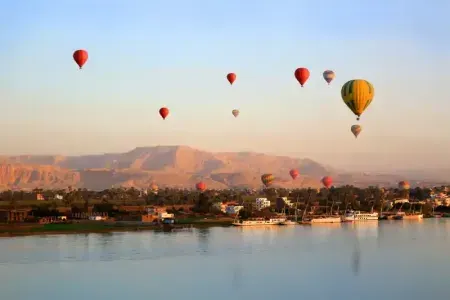
At approximately 5:30 in the morning, before any temple opens and before any tour group boards its bus, a flotilla of enormous balloons quietly inflates on the West Bank of the Nile opposite Luxor. As they fill, the eastern sky begins to pale. By the time the first gondolas lift from the desert floor and begin to rise — carrying their passengers above the date palms, above the West Bank cliffs, above the Valley of the Kings — the sun is just breaking the horizon over the eastern desert. And from 300–500 metres above the ground, the most extraordinary view in Egyptology unfolds below: the entire 500-square-kilometre landscape of ancient Thebes — every temple, every necropolis, every royal tomb, every causeway and avenue — laid out in the golden light of dawn like a map of civilisation itself.

This is what a sunrise hot air balloon flight over Luxor looks like — and it is consistently rated the single most memorable experience in Egypt by visitors who have done both the balloon and the ground monuments. Egypt For Travel's Luxor Hot Air Balloon Ride arranges everything from your hotel pickup and Nile crossing to your post-landing folkloric celebration, ensuring that one of the world's great dawn experiences is also completely hassle-free.

What You Will See from the Air

The balloon's flight path over the West Bank varies by wind direction — no two flights are identical, which is part of the experience's magic. On most mornings, the balloon crosses some combination of the following:

The Valley of the Kings

From the air, the Valley of the Kings reveals itself as what it is: a natural amphitheatre of limestone cliffs, a bowl in the desert ridgeline selected by New Kingdom architects precisely because its shape mimicked the sacred akhet (horizon) hieroglyph — the sun disc between two mountains. The 63 tombs cut into these cliffs are invisible from the air, but the contours of the valley, the causeway scars, and the distant pyramid shape of the dominant peak (el-Qurn — "the horn") that watches over all the royal tombs are clearly visible. Your pilot will identify each landmark as you pass over.

The Temple of Hatshepsut (Deir el-Bahari)

The three-tiered terraced temple of Hatshepsut — built into and against the dramatic limestone cliff of the West Bank — is one of the most architecturally precise buildings in ancient Egypt when seen from the ground. From the air, its perfection becomes even more apparent: the colonnades aligned with absolute mathematical precision, the causeway leading from the valley temple (now mostly gone) across the flood plain to the Nile visible as a faint scar in the soil. The cliff immediately behind the temple towers overhead even from balloon altitude — a reminder of the extraordinary decision to build here.

Medinet Habu (Temple of Ramesses III)

The largest intact temple on the West Bank — Medinet Habu — is often better appreciated from the air than from the ground, where its scale is difficult to comprehend. From the balloon, the full extent of the complex is visible: the fortified gateway, the pylons, the hypostyle hall, the inner sanctuary, and the palace to the south. The reliefs carved on the outer walls — depicting Ramesses III's victory over the Sea Peoples invasion — cover more surface area than any battle scene in any Egyptian temple.

The Nile Valley in Full

Perhaps the most affecting view from the balloon is simply the Nile Valley itself: the narrow band of green on both sides of the river — the black land (Kemet) that sustained ancient Egyptian civilisation — surrounded on all sides by the red-gold desert. From 500 metres, the line between fertile land and desert is as sharp as a knife's edge. The river runs silver through the middle. The East Bank city of Luxor glows in the early morning light. And beyond the desert to the west, the horizon stretches uninterrupted to Libya. The ancient Egyptians called this landscape the gift of the Nile — and from this altitude, you understand exactly what they meant.

Detail Information
Flight duration 45–60 minutes in the air (weather and wind dependent)
Maximum altitude 300–500 metres above the West Bank (approximately 1,000–1,500 feet)
Departure time Hotel pickup approximately 04:30–05:00 · launch at sunrise
Nile crossing By private motorboat from the East Bank dock · tea, coffee and cake served on board during crossing
Balloon capacity Typically 12–20 passengers per balloon · private balloon available on request (premium)
Post-landing Traditional folkloric celebration with balloon crew · medal/certificate presentation
Weather cancellation Flights cancelled in strong winds or poor visibility · rescheduled without charge · Egypt's clear sky record means cancellations are rare
Safety certification Egypt For Travel uses ECAA-certified balloon operators · pilots hold international balloon pilot licences
Best combined with Balloon + West Bank full day tour — balloon at dawn, monuments all morning

The Complete Morning Sequence

Here is exactly what happens, step by step — because understanding the logistics makes the experience even more enjoyable:

04:30 — Your Egypt For Travel driver arrives at your hotel or Nile cruise ship. The early start is non-negotiable — the balloon must launch at sunrise when the morning air is stable. You will be tired. You will not regret it.

05:00 — You arrive at the East Bank dock and board a private motorboat. As the boat crosses the Nile in the pre-dawn darkness, the crew serves tea or coffee and small cakes. The balloon launch site glows across the water.

05:15 — You arrive on the West Bank and board a minibus that takes you to the inflation area — a flat desert field among the date palms where the balloon crews are already working. Watching the enormous envelopes fill with hot air, the burners roaring, the gondola gradually rising to vertical, is itself a spectacular sight.

05:30–06:00 — Launch. The gondola lifts from the ground and the noise of the city disappears. Below you, the West Bank spreads out in all directions as you rise. The sun breaks the horizon. The Nile catches the light. The temples appear, one by one.

06:30 — Landing. The pilot brings the balloon down on a flat desert area — landings are gentle but occasionally bumpy, depending on wind. The balloon crew chases the landing site by vehicle and arrives within minutes. The post-landing folkloric show (singing, drumming, the crew celebrating another successful flight) is a joyful, unexpected conclusion.

07:15 — Return transfer to your hotel or cruise ship. You will be back before most guests have finished breakfast — with photographs that will define your Egypt trip.

What no other guide tells you: The best photography position in the gondola is on the side that faces east as you ascend — the rising sun behind the eastern desert creates a backlit silhouette of the West Bank cliffs that is unlike any other photographic opportunity in Egypt. Tell your guide you want this position when you board. Bring your longest lens for the Valley of the Kings, and your widest angle for the Nile valley panorama. A polarising filter dramatically improves the colour of the desert and the river.

Combine the balloon with a full West Bank ground tour after landing — Egypt For Travel's Balloon + West Bank Full Day package is available at a combined discount. Contact us via WhatsApp: +20 155 555 2466.

$ 99 | Per person

Full Day (8–9 hours)

Luxor East & West Bank Full-Day Private Tour — The Complete Theban Experience

(178)

Ancient Thebes — the city the Greeks called the "city of a hundred gates," the capital of Egypt during the New Kingdom and the most magnificent city in the ancient world — spreads across both banks of the Nile at modern Luxor. The East Bank holds the great cult temples of the living: Karnak and Luxor Temple. The West Bank holds the monuments of eternity: the Valley of the Kings, Hatshepsut's temple, and the colossal statues of Amenhotep III known as the Colossi of Memnon. Egypt For Travel's Luxor East & West Bank Full-Day Tour is the most comprehensive single-day Luxor programme available — covering all six essential sites with a private licensed Egyptologist guide, all entrance fees included, and lunch at a recommended Luxor restaurant, from $65 per person.

West Bank Morning — The World of the Dead

The Valley of the Kings

The royal burial ground of the New Kingdom pharaohs is a destination unlike any other in Egypt. Sixty-three tombs cut into the limestone cliffs of a natural valley behind the West Bank cliffs — their interiors painted from floor to ceiling with scenes from the Book of the Dead, the Book of Gates, and the Amduat — the theological narratives that described the pharaoh's journey through the underworld and his resurrection at dawn. Your Egyptologist guide is the most important resource here: the guide selects which three tombs to visit from those currently open (the combination changes depending on crowd levels and restoration work), ensuring you see the finest paintings available on the day. Do not make the mistake of choosing your own tombs based on name recognition — Tutankhamun's tomb (KV62) is famous but artistically modest; KV9 (Ramesses VI) has the most spectacular astronomical ceiling in the valley, and KV17 (Seti I, when open) has the finest painting in any royal tomb in Egypt.

Entrance fees: Standard ticket 750 EGP (3 tombs, included) · Tutankhamun KV62: 700EGP additional (optional) · Seti I KV17 when open: additional fee

The Temple of Hatshepsut (Deir el-Bahari)

Built by the female pharaoh who ruled Egypt for 20 years and created the most prosperous reign of the 18th Dynasty, the mortuary temple of Hatshepsut rises in three colonnaded terraces against the dramatic limestone cliffs of the West Bank amphitheatre. The temple's design — by the royal architect Senenmut — is the most architecturally sophisticated building of the New Kingdom, its proportions calculated with mathematical precision and its reliefs narrating the queen's divine birth, her expedition to Punt, and her coronation before the gods. Your guide will explain the story of the temple's systematic defacement by Thutmose III (Hatshepsut's stepson, who chiselled her image and name from every surface he could reach) and the painstaking 20th-century reconstruction that revealed what was hidden.

Entrance: 440 EGP (included)

The Colossi of Memnon

Two enormous quartzite statues of Amenhotep III — 18 metres high, the largest freestanding statues in ancient Egypt — stand in an open field at the entrance to the West Bank, the only surviving surface remnant of what was once the largest mortuary temple ever built in Egypt. The temple behind them was systematically demolished in antiquity for its stone; the colossi were left because they were too massive to move. The northern statue was famous in classical antiquity for producing a musical sound at dawn — the result of a crack caused by an earthquake that expanded in the morning dew. The Romans repaired the crack in 199 AD and the sound stopped. Your guide will explain the complex ongoing excavation of the vanished temple behind the statues.

East Bank Afternoon — The World of the Living

Karnak Temple Complex

The largest religious complex ever built by human beings, Karnak was under continuous construction for over 1,500 years — each pharaoh adding pylons, obelisks, halls, sanctuaries, and colossal statues, the complex growing outward from its 12th-Dynasty core into a 200-acre city of temples. The centrepiece — the Great Hypostyle Hall, built by Seti I and completed by Ramesses II — contains 134 columns, the largest of which are 23 metres high and 10 metres in circumference, their surfaces covered in painted reliefs so dense that every square centimetre of stone carries meaning. Your guide will navigate the complex with purpose, explaining the theological and political significance of each pharaoh's contribution.

Entrance: 600 EGP (included) · Evening Sound & Light show: separate ticket (see our Karnak Sound & Light tour)

Luxor Temple

Luxor Temple — built primarily by Amenhotep III (c. 1390 BC) and completed by Ramesses II — is one of the most beautiful ancient monuments in Egypt, its proportions more harmonious and its state of preservation more complete than almost any other New Kingdom temple. Unlike Karnak, Luxor Temple was not a cult temple for daily worship — it was specifically built for the Opet Festival, the annual renewal of the pharaoh's divine power, when the sacred barque of Amun was carried from Karnak along the sphinx avenue to Luxor. The Avenue of Sphinxes connecting the two temples — restored and reopened in 2021 — is part of your visit: the only time since antiquity that the complete processional route of the Opet Festival has been walkable.

What no other guide tells you: Inside Luxor Temple, in the innermost sanctuary of the Opet chamber, a series of Christian frescoes from the 4th century AD are painted directly over the ancient Egyptian reliefs — the face of a Byzantine saint superimposed on a pharaonic scene. And in the court of Ramesses II at the temple entrance, a 13th-century mosque (the Mosque of Abu el-Haggag) has been built directly inside the temple precinct on the accumulated sediment of centuries — its floor level a metre above the ancient temple floor. Three civilisations — pharaonic, Christian, and Islamic — occupy the same structure simultaneously. No other building in Egypt makes this as visible.

Entrance: 500 EGP (included) · Best visited late afternoon / evening when the light is dramatic on the great pylon

Site Bank Entrance Fee Time Allocated
Valley of the Kings (3 tombs) West 750 EGP — included 2 hours
Tutankhamun KV62 (optional) West 700 EGP extra Within Valley visit
Hatshepsut Temple West 440 EGP — included 1 hour
Colossi of Memnon West Free — included 20 minutes
Karnak Temple East 600 EGP — included 1.5 hours
Luxor Temple East 500 EGP — included 1 hour

Visitor Type Guide

Visitor Type This Tour Is Consider Instead
First-time Luxor visitor ✅ Perfect — covers all essential sites —
Nile cruise passenger (1 day in port) ✅ Ideal — maximum coverage in one day —
Wants only the West Bank Too much — consider West Bank only tour Luxor West Bank Tour
Wants deep-dive West Bank Too fast — not enough time at each site Nobles, Deir el-Medina & Medinet Habu
Returns to Luxor / second visit Consider adding Nefertari's Tomb or balloon Nefertari's Tomb Tour

$ 89 | Per person

Full Day (10 hrs with drives)

Dendera & Abydos Temples Day Tour from Luxor — The Sacred Circuit of the North

(258)

North of Luxor, the Nile Valley holds two temples that stand apart from everything else in Egypt — not because they are better known than Karnak or the Valley of the Kings, but because what they contain is unlike anything at those sites. Dendera Temple — dedicated to Hathor, goddess of love and the sky — is the best-preserved ancient Egyptian temple in the country, its painted ceilings intact, its underground crypts accessible, its rooftop zodiac the most celebrated ancient astronomical monument in the world. Abydos — the most sacred city in ancient Egypt, burial place of the earliest pharaohs, and site of the Temple of Seti I with the finest painted reliefs in any Egyptian temple — is the place where the myth of Osiris was enacted as living theatre for over a thousand years. Together, these two temples make the most intellectually rewarding day trip from Luxor available.

Temple 1: Dendera — Hathor's Perfect House

Built primarily during the Ptolemaic period (c. 54 BC – 20 AD) but incorporating earlier structures, the Temple of Hathor at Dendera is unique in Egyptian temple archaeology for one reason above all others: its roof is intact. The great stone ceiling of the hypostyle hall — carved and originally painted in the first century BC — still covers the hall below it, protecting the painted columns from 2,000 years of weathering. As a result, the colours in the Dendera hypostyle hall are the most preserved of any ancient Egyptian interior: deep blue astronomical ceilings, ochre column figures, red and green painted reliefs, and the dim filtered light that the ancient temple designers intended.

The Dendera Zodiac

The most famous object ever removed from an Egyptian temple is the circular Dendera Zodiac — a carved bas-relief astronomical ceiling from the Hathor Temple's roof chapel, representing the Egyptian sky as it appeared around 50 BC. The original is now in the Louvre Museum in Paris (removed by a French expedition in 1821 and replaced by a plaster cast). Your guide will explain what each constellation represents, how the Egyptians integrated Babylonian zodiac signs with their own astronomical tradition, and why the Dendera Zodiac was critical in the early 19th-century decipherment of hieroglyphs.

The Underground Crypts

Dendera contains a system of underground crypts beneath the temple floor — narrow passages accessible by ladder, their walls carved with ritual objects and divine images that were never meant to be seen by ordinary worshippers. The crypts held the most sacred objects of the temple cult during periods of ritual danger and during the annual New Year Festival. Egypt For Travel arranges access to the crypts for visitors who want to experience one of the least-visited spaces in any Egyptian temple. Your guide's torch will illuminate carvings that have not seen daylight since they were sealed 2,000 years ago.

Temple 2: Abydos — Where Egypt's Sacred History Began

Abydos was the most sacred city in ancient Egypt — the burial place of Osiris (according to religious belief), the necropolis of the earliest pharaohs, and the site where the great Osiris Mystery Plays were performed annually for over a thousand years. It is 160 km north of Luxor — a 2-hour drive — and its relative remoteness means it receives a fraction of the visitors of the Luxor sites, making it one of the most peacefully rewarding temple experiences in the country.

The Temple of Seti I

Built by Seti I (father of Ramesses II) around 1280 BC and completed by Ramesses II, the Temple of Seti I at Abydos contains the finest painted reliefs in any Egyptian temple — the quality of execution, the subtlety of colour, and the expressiveness of the figures surpassing even the famous paintings of Nefertari's Tomb. The temple has seven shrines side by side, each dedicated to a different deity, and each painted in a distinct style. The Gallery of the Kings — a corridor within the temple where Seti I and the young Ramesses II are depicted making offerings to a list of 76 royal predecessors — is the most complete surviving record of ancient Egyptian royal succession, and the source of the famous Abydos King List that Egyptologists use to date dynasties. Your guide will read the king list, identifying each cartouche and explaining why several predecessors (Hatshepsut, Akhenaten, and others) were deliberately omitted.

What no other guide tells you: In the innermost sanctuary of the Abydos Temple of Seti I, there is a small chamber so sacred that even its existence was not publicly acknowledged in antiquity — the Osireion, a separate cenotaph built for Seti I immediately behind the main temple, designed to replicate the mythological burial mound of Osiris on the primordial island surrounded by the Nile. The Osireion is partially submerged in groundwater, its massive granite blocks so perfectly fitted they appear fused. It was not excavated until 1902 and is still incompletely understood. Your guide will take you there — it is one of the strangest and most affecting spaces in Egypt.

Temple Distance from Luxor Entry Fee Star Feature
Dendera Temple ~60 km north (1 hr) ~300 EGP — included Intact painted ceiling · Dendera Zodiac cast · underground crypts
Temple of Seti I, Abydos ~160 km north (2 hrs) ~260 EGP — included Finest painted reliefs in Egypt · Abydos King List · the Osireion

$ 129 | Per person

Evening (2.5 hours with transfer)

Karnak Temple Sound & Light Show — Luxor Evening Private Tour

(98)

Karnak Temple during the day is staggering. At night — floodlit, silent, and narrated by the voices of the ancient gods themselves — it is something else entirely. The Karnak Sound & Light Show is the most atmospheric evening experience in Luxor: a 75-minute walkthrough of the illuminated temple complex, the hypostyle hall's 134 columns blazing in amber and gold light against the night sky, the Sacred Lake gleaming below, and a dramatic narration recounting 1,500 years of Karnak's history in the voices of Amun, Isis, Ramesses II, and other gods and pharaohs. Egypt For Travel provides hotel pickup, transfers, and show tickets, with your private guide accompanying you and providing historical context before and after the show.

The Show

The Karnak Sound & Light Show begins at the first pylon entrance and proceeds as a walking route through the main axis of the temple — the ram-headed sphinx avenue, the processional way, the great hypostyle hall, the Sacred Lake — ending at an open-air seating area beside the lake for the final narrated sequence. The route takes approximately 45 minutes of walking and 30 minutes seated, totalling around 75 minutes.

The narration (available in English, French, German, Spanish, Italian, Arabic, and Japanese — headsets provided if different language is preferred) tells the story of Karnak through the voices of its principal historical actors: Amun-Ra speaking of his creation; Ramesses II describing his battle victories and building programme; Akhenaten in brief, turbulent cameo (the pharaoh who demolished Karnak's statuary and removed Amun's name from every inscription); and the High Priest Herihor describing the final years of New Kingdom power. The finale — a beam of light crossing the Sacred Lake to illuminate the far pylon — is genuinely dramatic, and the silence of the temple at night (contrast to the crowds of the morning visit) amplifies the effect.

Detail Information
Show duration Approximately 75 minutes
Show days Typically Monday, Wednesday, Thursday, Saturday · confirm at booking (schedule varies seasonally)
Show times Usually 2 shows per evening: first show 18:30, second show 20:30 · times vary seasonally
Languages Each show is in one language · English most frequent · confirm language at booking
Ticket price ~1000 EGP — included in Egypt For Travel package
Best combined with Sunset felucca ride on the Nile before the show — a perfect Luxor evening

What no other guide tells you: The Sacred Lake at Karnak — the large rectangular pool on the south side of the complex — was not decorative. It was used daily for ritual purification by the priests (who bathed in it before entering the inner temple) and for the launching of the sacred barque carrying the cult statue of Amun during certain festivals. Geese sacred to Amun were kept on its banks. During the Sound & Light show, the lake serves as a perfect reflecting surface for the light displays — and the moment the narration reaches the story of the Opet Festival, the beams of light moving across the lake's surface directly evoke the movement of the sacred barque that would have been there 3,000 years ago.

$ 49 | Per person

Half Day / Full Day option

Luxor Nobles Tombs, Deir el-Medina & Medinet Habu — The West Bank Beyond the Standard Itinerary

(130)

The standard Luxor West Bank itinerary — Valley of the Kings, Hatshepsut Temple, Colossi of Memnon — covers the sites that every first-time visitor should see. But the West Bank contains entire worlds that most visitors never discover: the Tombs of the Nobles (where the middle class of ancient Egypt buried themselves in tombs that are in many ways more humanly immediate than any royal tomb), Deir el-Medina (the village of the craftsmen who built and decorated the Valley of the Kings, and the most extensively documented community in the ancient world), and Medinet Habu (the mortuary temple of Ramesses III — the largest and best-preserved temple on the West Bank, with reliefs of extraordinary violence and beauty). Egypt For Travel's West Bank deep-dive tour is for visitors who want to go beyond the highlights and encounter the full complexity of ancient Theban civilisation.

Site 1: The Tombs of the Nobles

While the pharaohs buried themselves in deep sealed tombs in the Valley of the Kings, the officials, viziers, artists, and administrators of the New Kingdom dug their tombs in the limestone hillsides of the West Bank and decorated them not with scenes of the underworld (as appropriate for royalty) but with scenes of daily life: banquets, hunting, fishing, music, dancing, farming, craftsmanship, and the social life of the New Kingdom elite. As a result, the Nobles Tombs are a uniquely intimate window into what it felt like to be alive — and prosperous — in ancient Thebes.

The most important Nobles Tombs to visit include: the Tomb of Nakht (a scribe and astronomer under Thutmose IV — the finest preserved harvest and banquet scenes in Egypt, painted with colour still vivid after 3,400 years); the Tomb of Menna (estate inspector under Thutmose IV — extraordinary agricultural scenes); the Tomb of Ramose (vizier of Amenhotep III and Akhenaten — unique in showing both pre-Amarna and Amarna artistic styles side by side in the same tomb); and the Tomb of Sennefer (mayor of Thebes — the ceiling painted entirely as a vine arbour, its owner surrounded by grapes, nicknamed "the tomb of the vine"). Your guide will select the best-accessible combination on the day.

Entrance: Varies by tomb — Egypt For Travel arranges all permits

Site 2: Deir el-Medina — The World's First Workers' Village

Deir el-Medina is the most extensively documented community in the ancient world: a walled village in a valley between the Valley of the Kings and the Valley of the Queens, purpose-built to house the artisans of the Place of Truth — the specialised craftsmen and their families who spent their entire working lives building and decorating the royal tombs. For 400 years (c. 1550–1070 BC), this community of 60–120 families lived, worked, argued, fell in love, had children, went on strike, and died in this remote valley, leaving behind the most vivid documentary record of ordinary ancient Egyptian life that exists: over 10,000 ostraca (limestone flakes and pottery sherds) covered in notes, letters, legal records, love poetry, accounts, and complaints.

The site contains the ruins of the village itself (the house foundations of each family still clearly visible), a small but extraordinary Ptolemaic temple dedicated to Hathor and Maat (the most completely preserved small temple on the West Bank), and the tombs of the craftsmen themselves — small, steep-shafted tombs with paintings of remarkable quality that demonstrate exactly the skill level of the men who also painted the royal tombs nearby.

What no other guide tells you: Among the Deir el-Medina ostraca is the world's first recorded labour strike — dated to Year 29 of Ramesses III's reign, when the workers stopped work and marched on the mortuary temples to demand their rations (grain, fish, vegetables, salt, and natron) that the state had failed to deliver. Their protest worked: the supplies were eventually delivered. The record of their complaints — written on a limestone flake by the village scribe — sits in the Turin Museum and represents the earliest surviving account of organised labour action in human history.

Site 3: Medinet Habu — Ramesses III's Fortress Temple

The Mortuary Temple of Ramesses III at Medinet Habu is the largest and most complete temple on the Luxor West Bank — and also the most undervisited, receiving perhaps 10% of the foot traffic of Karnak despite being equally impressive in scale and significantly better preserved. Built between c. 1186 and 1155 BC, the temple served as both a mortuary complex and, in the troubled late 20th Dynasty, as a fortified administrative centre — its massive mud-brick enclosure walls still standing to their full height, the military gate (the only such gate preserved in Egypt) still intact.

The outer wall reliefs of Medinet Habu are among the most historically significant in any Egyptian temple: they depict Ramesses III's naval battle against the Sea Peoples — the great confederation of displaced Bronze Age peoples who attacked Egypt around 1177 BC, contributing to the collapse of the Bronze Age across the eastern Mediterranean. This is the most detailed surviving ancient record of an event that reshaped the entire ancient world, and the reliefs at Medinet Habu are the primary historical source for it. The inscriptions recording the workers' strike from Deir el-Medina also refer to events at this temple.

Site Entry Fee Why It Matters
Nobles Tombs (Nakht, Menna, Ramose, Sennefer) ~100–300 EGP per tomb — included Daily life painted in vivid detail — the human face of ancient Egypt
Deir el-Medina ~220 EGP — included The world's most documented ancient community · first recorded strike
Medinet Habu Temple ~300 EGP — included Largest West Bank temple · Sea Peoples battle reliefs · best preserved

$ 65 | Per person

Half Day (4–5 hours) or extended

Valley of the Kings Private Tour — Expert Tomb Selection & Egyptologist Guide

(110)

The Valley of the Kings contains 63 royal tombs — but on any given day, only 20–25 are open to the public, and the standard ticket admits you to just three. Which three you choose determines your entire experience of this extraordinary place. The difference between three mediocre tombs and three great ones is the difference between mildly impressive painted corridors and some of the most extraordinary art ever produced by human beings. Egypt For Travel's Valley of the Kings Private Tour — led exclusively by a licensed Egyptologist who knows every open tomb and visits the valley several times a week — is built around a single guarantee: you will see the right tombs.

Why Expert Tomb Selection Matters

This is what your Egyptologist will know that you cannot determine from a travel website:

Which tombs are least crowded at your arrival time — the difference between standing alone in a painted chamber with time to absorb it, and shuffling through in a crowd that moves you past in 3 minutes.

Which tombs have the best-preserved paintings — not all royal tombs are equal. Some have suffered from humidity, ground water, and decades of tourist breath. Others are miraculously intact.

Which tombs have recently opened or reopened — the restoration programme periodically opens previously closed tombs, and these are always less crowded and often the most spectacular.

The Great Tombs — What to Know Before You Go

KV9 — Ramesses VI (One of the Best in the Valley)

The tomb of Ramesses VI — open, well-preserved, and consistently one of the best combinations of scale, painting quality, and accessibility in the valley. The astronomical ceiling of the burial chamber is the most complete sky map in any Egyptian tomb: the journey of the sun through the 12 hours of the day and 12 hours of the night, painted in vivid blue and gold, the solar disc moving from east to west across the curved ceiling. The Book of Caverns, Book of Gates, and Amduat texts cover every wall surface.

KV17 — Seti I (When Open — The Greatest Tomb in Egypt)

When open, the tomb of Seti I (father of Ramesses II) is considered by Egyptologists to contain the finest paintings in the Valley of the Kings — and some of the finest paintings ever produced in the ancient world. The style is early 19th Dynasty at its absolute peak: figures of extraordinary elegance, colours still vivid after 3,200 years, the theology of the underworld expressed with an almost musical visual rhythm. KV17 opens periodically for conservation assessment — your guide will confirm current access status at booking.

KV62 — Tutankhamun (Optional — Famous but Modest)

The tomb of Tutankhamun is the most famous in the world — but it is small, modestly painted, and its original treasures are all in the Egyptian Museum and the Grand Egyptian Museum. What remains is the mummified body of the king himself in his outermost gilded coffin, the painted burial chamber (four walls, vivid but minimal), and the extraordinary fact of standing in the space that Howard Carter opened on 26 November 1922. The additional ticket (300 EGP) is worth paying if you are interested in the history of Egyptology — the discovery story — as much as the paintings.

KV11 — Ramesses III (Spacious and Beautifully Painted)

One of the longest and most spacious tombs in the valley, with a complete set of Book of the Dead decorations and some of the finest blind harpist reliefs in any Egyptian tomb — the famous painted musicians playing for eternity in the side chambers.

KV2 — Ramesses IV (Large, Accessible, Well-Preserved)

A large, open, well-lit tomb with good accessibility and high-quality paintings — an excellent choice for visitors with mobility considerations or those who find the steep descent of other tombs challenging.

Tomb Pharaoh Why Choose It Extra Ticket?
KV9 Ramesses VI Best astronomical ceiling · open and spacious · consistently superb No — standard ticket
KV17 Seti I Finest paintings in any tomb · when open, unmissable Additional fee when open
KV62 Tutankhamun Famous · mummy present · small but historically overwhelming 700 EGP extra
KV11 Ramesses III Spacious · beautiful harpist reliefs · good photography No — standard ticket
KV2 Ramesses IV Accessible · large · well-lit · mobility-friendly No — standard ticket

This tour is designed for visitors who want to spend meaningful time in the Valley of the Kings — not rushing through three tombs in 90 minutes, but spending 3+ hours with their guide, absorbing the theology and the art of each tomb in depth. For visitors on a tight schedule who need the Valley plus other West Bank sites, see our Luxor West Bank Private Tour instead.

$ 55 | Per person

Half Day (Karnak only) or Full Day (both)

Luxor East Bank Private Tour — Karnak Temple & Luxor Temple with Egyptologist Guide

(110)

The East Bank of Luxor contains two of the most extraordinary ancient monuments on Earth — and they are built in entirely different traditions, for entirely different purposes, in periods separated by more than a century, yet connected by a 3-kilometre processional avenue that you can walk today. Karnak Temple — the largest religious complex ever built — was the daily home of the god Amun, tended by a priesthood of thousands. Luxor Temple — smaller, more harmonious, more intimate — was built for a specific annual event: the Opet Festival, when Amun processed from Karnak to Luxor in his sacred barque for the renewal of the pharaoh's divine power. Together they tell the complete story of New Kingdom Theban religion — and a single half-day with a private Egyptologist guide tells it more compellingly than any book.

Karnak Temple — 200 Acres, 1,500 Years of Building

Begin at Karnak in the morning, when the light enters the hypostyle hall from the east and catches the carved reliefs at their most dramatic angle. The approach through the ram-headed sphinx avenue prepares you for the scale of what follows: a first pylon 113 metres wide and 43 metres high (unfinished — the brick construction ramps are still visible inside the pylon, never having been removed), leading to an open court, then the Great Hypostyle Hall.

The hypostyle hall is the single most impressive interior space in ancient Egypt — 134 papyrus-form columns arranged in 16 rows, the central avenue of 12 columns reaching 23 metres high, each column wider than a person's arm span, every surface covered in carved and painted scenes. The hall was begun by Seti I and completed by Ramesses II — the difference in their working styles is visible to your Egyptologist guide: Seti I's more careful, deeply cut reliefs on the northern side; Ramesses II's faster, more shallow work on the southern side (his additions produced more quantity but less quality). Your guide will point this out specifically.

Beyond the hypostyle hall: the obelisks of Hatshepsut (the tallest ancient obelisks still standing in Egypt, their electrum-tipped peaks visible from across the Nile), the Festival Hall of Thutmose III with its extraordinary "botanical garden" reliefs (plants and animals brought back from Thutmose III's Asian campaigns, the oldest natural history illustrations in the world), and the Sacred Lake — where the priests bathed daily before entering the inner temple.

The Avenue of Sphinxes — Walking the Opet Festival Route

The Avenue of Sphinxes — 3 kilometres of sphinx-lined processional way connecting Karnak to Luxor Temple, restored and reopened in 2021 for the first time since antiquity — is one of the great walks in Egypt. Your guide will accompany you along a section of it, explaining the Opet Festival whose procession used this route annually for centuries, and identifying the different historical periods represented by different sections of the avenue.

Luxor Temple — The Opet Sanctuary

Visit Luxor Temple in the late afternoon when the light is warm and low — the great pylon of Ramesses II turns from honey to amber, the standing colossi glow, and the inner court of Amenhotep III becomes a luminous space of perfect proportions. Your guide will explain:

The Ramesses II court — enclosed by the 74-tonne seated and standing colossi, its walls covered in the text and imagery of the Battle of Kadesh. The processional colonnade of Amenhotep III — 14 papyrus-bud columns 16 metres high, the most elegant ancient colonnade in Egypt, its walls recording the Opet Festival procession. The inner sanctuary — the room where the sacred renewal of the pharaoh's divine power took place, its walls (in a rare surviving example) covered in the reliefs of the ceremony itself. And the Abu el-Haggag Mosque built inside the temple in the 13th century — three civilisations occupying one building simultaneously.

Site Entrance Fee Best Visited
Karnak Temple 600 EGP — included Morning — eastern light enters hypostyle hall from behind
Avenue of Sphinxes Free — included in Karnak area Any time — walk south toward Luxor Temple
Luxor Temple 500 EGP — included Late afternoon/evening — warm light on the great pylon

$ 55 | Per person

Half or Full Day

Luxor West Bank Private Tour — Valley of the Kings, Hatshepsut & Deir el-Medina

(100)

The West Bank of the Nile at Luxor is the ancient world's greatest city of the dead — a vast necropolis extending from the fertile edge of the flood plain into the desert cliffs behind, where for 500 years (c. 1550–1070 BC) the pharaohs of the New Kingdom buried themselves in painted rock-cut tombs, built vast mortuary temples for their divine service, and organised an entire community of craftsmen and their families to maintain it all. Egypt For Travel's Luxor West Bank Private Tour covers the essential West Bank sites — the Valley of the Kings, Hatshepsut Temple, the Colossi of Memnon, and optionally Deir el-Medina — in a private half-day or full-day experience with a licensed Egyptologist guide and all entrance fees included.

Sites Included

Valley of the Kings — The Royal Tombs

Your guide selects the three best-accessible, best-preserved tombs from those open on the day — ensuring you see exceptional painting rather than famous names. Standard ticket covers 3 tombs (750 EGP, included). Tutankhamun's Tomb KV62 available as an optional addition (700 EGP extra). See our dedicated Valley of the Kings guide for detailed tomb descriptions.

Temple of Hatshepsut — Deir el-Bahari

The three-tiered mortuary temple of Hatshepsut — the female pharaoh who ruled for 20 years and built one of the most beautiful monuments in ancient Egypt. The Punt expedition reliefs, the divine birth narrative, and the architectural perfection of the colonnaded terraces. Entrance 440 EGP (included).

Colossi of Memnon

The two 18-metre quartzite statues of Amenhotep III — the only survivors of Egypt's largest ever mortuary temple. The "singing statue" story explained by your guide. Free with West Bank visit.

Deir el-Medina (Optional Half-Day Extension)

The village of the craftsmen who built the royal tombs — the most extensively documented community in the ancient world, with tombs that demonstrate the artists' own skill. See our dedicated Deir el-Medina tour for full details.

Option Sites Duration Best For
Standard West Bank Valley of Kings · Hatshepsut · Colossi Half Day (4–5 hrs) Cruise passengers with limited time · second Luxor visit
Extended West Bank Above + Deir el-Medina Full Day (7 hrs) History enthusiasts · those staying in Luxor
Complete Luxor West Bank + Karnak + Luxor Temple Full Day (9 hrs) First visit to Luxor wanting everything in one day

$ 50 | Per person

Full Day (10 hrs)

Luxor Hot Air Balloon Ride + West Bank Full-Day Tour — The Ultimate Luxor Experience

(240)

This is the best day Egypt For Travel offers in Luxor — and, we believe, the best single day available in all of Egypt. It combines two experiences that are extraordinary individually and almost overwhelming together: a sunrise hot air balloon flight over the West Bank (seeing the Valley of the Kings, Hatshepsut's Temple, and the full landscape of ancient Thebes from above as the sun rises), followed immediately after landing by a full-day West Bank ground tour (descending into the tombs you just saw from the air, standing inside the temple whose rooftop terraces were visible from your gondola). The morning-to-afternoon trajectory — from the sky to the ground, from the panoramic view to the intimate interior — is one of the most intelligently structured tourist experiences in Egypt, and Egypt For Travel's combined package offers it at a significantly better price than booking the two elements separately.

The Programme

04:30 — Balloon Phase

Hotel pickup before dawn. Nile crossing by private motorboat with tea, coffee, and cake. Balloon inflation in the West Bank desert as the sky begins to pale. Launch at sunrise — 45–60 minutes of flight over the Valley of the Kings, Hatshepsut Temple, Medinet Habu, and the Nile Valley in the golden morning light. Landing, folkloric celebration, flight certificate. Back at your West Bank landing site by approximately 07:30 AM.

07:30 — Ground Tour Phase

Your Egyptologist guide and vehicle are waiting at the landing site. No gap, no return to the hotel — you transition directly from the balloon to the ground tour. This is the magic of the combined programme: you land knowing exactly what you are about to see, because you have just seen it from above. The Valley of the Kings entrance that was a brown scar in the desert from 400 metres is now a specific place you are about to descend into. The Hatshepsut Temple whose terraces glowed in the balloon's golden-hour light is about to reveal its interior paintings.

The ground tour covers: Valley of the Kings (3 tombs, guide's expert selection) · Hatshepsut Temple (Punt reliefs, divine birth narrative) · Colossi of Memnon (brief stop) · Medinet Habu (the West Bank's most undervisited masterpiece — Sea Peoples reliefs, complete fortress temple). Lunch at a recommended West Bank restaurant. Return to hotel or cruise ship by approximately 14:00–15:00.

Phase Experience Duration
Balloon Sunrise flight over Valley of Kings, Hatshepsut, Medinet Habu, Nile 45–60 min in air · ~3 hrs total
Valley of the Kings 3 royal tombs — expert selection — unhurried time in each 2 hours
Hatshepsut Temple Three terraces — Punt reliefs — divine birth narrative 1 hour
Medinet Habu Ramesses III's fortress temple — Sea Peoples battle reliefs 1 hour
Colossi of Memnon Brief stop — guide explains the vanished temple 20 min

The balloon + West Bank combined experience is Egypt For Travel's most-requested Luxor product. Contact us via WhatsApp: +20 155 555 2466 to book — during peak season (October–April) this product sells out weeks in advance.

$ 120 | Per person

Half Day (Option A) / Full Day (Option B)

Nefertari's Tomb & Valley of Queens Private Luxor Tour — The Most Beautiful Tomb in Egypt

(170)

Behind a locked gate in the Valley of the Queens, accessible only on a special ticket limited to 150 visitors per day, is the most beautiful room in ancient Egypt: Tomb QV66 — the Tomb of Queen Nefertari, Great Royal Wife of Ramesses II, whose walls are covered from floor to ceiling in the finest surviving ancient Egyptian paintings in the world. Egypt For Travel arranges the special 1,200 EGP ticket, which most tour operators do not bother with, and builds a private Luxor West Bank tour around this extraordinary experience — combining Nefertari's Tomb with the Valley of the Queens standard tombs, the Valley of the Kings, and Hatshepsut Temple in a single private day.

Nefertari's Tomb (QV66) — A Room Unlike Any Other

The tomb was opened by Italian archaeologist Ernesto Schiaparelli in 1904 — and the experience of entering it remains, over a century later, one of the most powerful in Egyptology. The walls are covered in paintings executed on a smooth white plaster ground, the colours still vivid after 3,250 years: deep turquoise star ceilings, gold-skinned figures of Nefertari moving through scenes of the afterlife with the calm confidence of a woman who already knows she is divine, the weighing of the heart in the Hall of Two Truths, the vaulted burial chamber with its deep blue night-sky ceiling scattered with five-pointed gold stars.

The paintings were considered so significant — and so fragile — that the tomb was closed to the public for most of the 1990s while a $6 million Getty Conservation Institute restoration project stabilised the walls. The result is a tomb that looks almost freshly painted — an effect that is simultaneously stunning and slightly unreal. See our complete Queen Nefertari guide for the full story.

The Valley of the Queens

The Valley of the Queens contains over 90 tombs — the burial places of queens, princes, and royal children of the New Kingdom. The standard Valley of the Queens ticket (~220 EGP) admits you to several of these in addition to the Nefertari special ticket. Your guide will select the best-accessible combination, which may include:

QV55 — Amunherkhepeshef (son of Ramesses III — vivid paintings of the young prince, accompanied by his father, meeting the gods of the underworld); QV44 — Khaemwaset (another prince of Ramesses III — similar programme); and occasionally others depending on current access. The Valley of the Queens is quieter and less crowded than the Valley of the Kings, and the combination of Nefertari's special ticket with the standard admission makes for a morning that covers the full range of New Kingdom royal funerary art.

Ticket Fee Access
Valley of Queens standard ~220 EGP — included Standard tombs including Amunherkhepeshef, Khaemwaset
Nefertari's Tomb QV66 — special ticket 2,500 EGP — included Maximum 150 visitors/day · timed visit of 10–15 minutes inside · NO photography permitted inside

Important: Photography is strictly prohibited inside Nefertari's Tomb — to protect the pigments. Outside and at the tomb entrance is permitted. Egypt For Travel will confirm this clearly at booking. The guide's commentary before entering is especially important here — 10–15 minutes inside goes fast, and knowing what you are looking at before you enter means using every second well.

Combined Day Programme

Egypt For Travel recommends combining Nefertari's Tomb with a broader West Bank visit:

Option A — Valley of Queens focus: Valley of Queens (Nefertari + 2 standard tombs) + Hatshepsut Temple + Deir el-Medina. Half day. Best for visitors who have already done the Valley of the Kings.

Option B — Full West Bank with Nefertari: Valley of the Kings (3 tombs) + Valley of Queens (Nefertari + 1 standard) + Hatshepsut Temple + Colossi of Memnon. Full day. Best for first-time visitors wanting the complete West Bank in one day.

$ 85 | Per person

Full Day (10 hrs)

Luxor to Aswan Private Day Trip — Edfu Temple & Kom Ombo

(160)

Between Luxor and Aswan, the Nile passes two of the most impressive Ptolemaic temples in Egypt — the Temple of Horus at Edfu (the best-preserved ancient Egyptian temple in the country, its original stone roof still intact over the entire complex) and the Temple of Kom Ombo (uniquely dedicated to two gods simultaneously — Sobek the crocodile and Haroeris the hawk — its perfectly symmetrical double plan visible from the first pylon). Nile cruise ships stop at both; but visitors staying in Luxor who are not on a cruise can access both on this private day trip — driving south from Luxor through the Upper Egyptian countryside, visiting the temples in the morning and early afternoon, and continuing to Aswan or returning to Luxor by evening.

Edfu — The Temple of Horus

The Temple of Horus at Edfu is the most completely preserved ancient Egyptian temple in the world — the massive stone roof that once covered most of the temple is still in place over the hypostyle hall and the inner sanctuary, making Edfu the only major temple where you can experience the interior as the ancient Egyptians did: dark, mysterious, the light entering only through high clerestory openings, the air thick with the smell of old stone. Built between 237 and 57 BC (the construction timeline is inscribed on the walls in a detail unparalleled in any other Egyptian temple), Edfu's dedication to Horus — the hawk-headed son of Osiris, divine embodiment of the living pharaoh — makes it a theological companion to the Osiris mysteries at Abydos.

The approach from the town is by traditional horse-drawn carriage — a 5-minute ride that contributes to the sense of arrival at something extraordinary. The first pylon stands 36 metres high. The granite cult statue of Horus as a falcon wearing the double crown stands 3.45 metres high in the court before the hypostyle hall — one of the most photographed ancient Egyptian statues after those at Abu Simbel and the Colossi of Memnon. Inside, the Festival of the Beautiful Meeting reliefs record the annual Nile journey of the goddess Hathor from her temple at Dendera to Edfu for her reunion with Horus — the same Hathor reunion festival described in our Ancient Egyptian Festivals guide.

Entrance: ~600 EGP (included) · Horse carriage to temple: included

Kom Ombo — The Double Temple

The Temple of Kom Ombo is Egypt's strangest temple — a perfectly symmetrical double temple in which every element is duplicated: two entrances, two hypostyle halls, two inner sanctuaries, two sets of reliefs, two theologies running side by side for the length of the entire building. The left (eastern) side was dedicated to Sobek, the crocodile god of fertility and the Nile; the right (western) side to Haroeris (Horus the Elder), the hawk-headed god of the sky. The sacred crocodiles of Sobek were kept in the sacred lake here and fed ceremonially; after death they were mummified and wrapped — the Kom Ombo Crocodile Museum (in a converted chapel of the temple) displays 22 mummified crocodiles in various states of preservation, from complete adults to infant specimens.

The temple sits directly on the Nile bank — the most dramatically positioned of any temple on the Nile cruise route — and the view from the Nile (or from the temple terrace looking back at the river) is one of the finest in Upper Egypt. The reliefs on the outer walls of the temple include a famous representation of ancient medical instruments — forceps, scalpels, and other surgical tools that attest to the sophisticated medical practice conducted at this temple in antiquity.

Temple Distance from Luxor Entry Fee Key Feature
Edfu — Temple of Horus ~115 km south (2 hrs) ~600 EGP — included Best-preserved temple in Egypt · intact stone roof · granite Horus falcon statue
Kom Ombo — Double Temple ~175 km south (3 hrs) ~450 EGP + 100 museum — included Double symmetrical plan · Nile bank position · mummified crocodile museum

Two Options: Day Trip or One-Way to Aswan

Return to Luxor: Visit Edfu and Kom Ombo and return to Luxor — a full day, departing 06:30, returning by 18:00.

One-way to Aswan: Continue after Kom Ombo to Aswan (45 min further south) — ideal for visitors who have a night in Aswan planned. Egypt For Travel arranges the one-way transfer with Aswan hotel drop-off.

$ 80 | Per person

2–2.5 hours

Luxor Horse Carriage Evening Tour — The Ancient City at Dusk

(70)

The horse-drawn carriage (hantour) is the traditional street transport of Luxor — a city where horses and carriages share the roads with taxis and tuk-tuks in an atmosphere that feels several decades removed from the rest of Egypt. As the afternoon heat fades and the evening light turns the stone of Luxor Temple from gold to amber, the carriages emerge in numbers on the Corniche — their horses clip-clopping along the riverside promenade, the great pylon of Luxor Temple glowing in the floodlights, the feluccas drifting on the water below. Egypt For Travel's Luxor Horse Carriage Evening Tour is a relaxed, atmospheric 1.5–2 hour private carriage ride through the East Bank — covering the Avenue of Sphinxes, the front of Luxor Temple, the Nile Corniche, and the Luxor Museum area — with a guide accompanying you and a private driver you can trust.

The Route

Your private carriage departs from your hotel on the East Bank Corniche. The route covers: the Avenue of Sphinxes (the 3-km sphinx-lined processional way between Karnak and Luxor Temple, restored and reopened in 2021) · the Luxor Temple entrance (the great pylon of Ramesses II, the seated colossi, and the single standing obelisk glowing in the evening light) · the Nile Corniche (the riverside promenade with its feluccas, vendors, and families) · and through the Luxor bazaar area where the evening market is in full swing. The carriage returns you to your hotel; your guide accompanies you throughout, providing context for everything you pass.

Detail Information
Duration 1.5–2 hours
Best time 1 hour before sunset — arrive at Luxor Temple at golden hour
Route highlights Avenue of Sphinxes · Luxor Temple pylon · Nile Corniche · Luxor bazaar
Capacity Private carriage — 2–4 passengers
Combine with Karnak Sound & Light Show — carriage at sunset, then Karnak in the evening

$ 35 | Per person

3 hours

Luxor Felucca Sunset Sailing on the Nile — Private Traditional Boat Experience

(80)

The most peaceful hour in Luxor is the hour before sunset, on the Nile. From the water, looking west, the entire West Bank reveals itself: the cliffs that hide the Valley of the Kings, Hatshepsut's temple emerging from the cliff face, the desert plateau stretching south toward Medinet Habu, the fringe of date palms at the water's edge. On the East Bank behind you, Luxor Temple stands illuminated in the evening light. And between them, the Nile runs silver and gold, the felucca's lateen sail filling with the reliable afternoon wind that has pushed boats up this river since before the pharaohs.

Egypt For Travel's Luxor Felucca Sunset Sailing is a private 2-hour experience on a traditional wooden felucca — just your group, the captain, the wind, and one of the most beautiful views in the world. No engine, no commentary from a tannoy system, no crowd. Mint tea is served on board. The guide provides brief contextual commentary at the beginning; after that, the Nile does the talking.

Banana Island

Many Luxor felucca trips include a brief stop at Banana Island — a small, lush island in the middle of the Nile between Luxor and Karnak, its shores covered in banana palms and its air smelling of fresh fruit. A 15-minute walk through the plantation, the vendor selling fresh banana directly from the trees, and a return to the felucca for the sunset portion of the sail. A small landing fee applies (~20 EGP — included). This is optional — contact Egypt For Travel at booking to confirm inclusion.

Detail Information
Duration 2 hours on water · ~3 hours total with transfers
Best timing Depart 1 hour before sunset — arrive at best position as sun drops behind the West Bank cliffs
View West Bank cliffs and temples · Luxor Temple East Bank · Nile at sunset · the complete Theban landscape
On board Egyptian mint tea · cushions · private boat (your group only)
Combine with Karnak Sound & Light Show after — felucca at sunset, then Karnak at night

$ 40 | Per person

Half Day (3–4 hours)

Luxor Museum & Mummification Museum Private Half-Day Tour

(90)

Most visitors to Luxor spend their time at the monuments — the Valley of the Kings, Karnak Temple, the West Bank sites. Very few realise that Luxor has two museums that are, by themselves, worth making the trip for: the Luxor Museum (consistently rated by Egyptologists as the best-displayed ancient Egyptian museum in the country, with a collection of objects chosen for quality rather than quantity) and the Mummification Museum (a unique institution devoted entirely to the ancient Egyptian embalming process — its tools, substances, techniques, and theology — displayed in a way that is both scientifically rigorous and dramatically compelling). Egypt For Travel's Luxor Museum & Mummification Museum Half-Day Tour covers both with a private licensed Egyptologist guide and all entrance fees in approximately 3–4 hours — ideal for cruise passengers who have already done the major monuments, or for visitors wanting something different from their last morning in Luxor.

Museum 1: The Luxor Museum

The Luxor Museum — opened in 1975 on the Nile Corniche between Luxor and Karnak Temples — is the result of a deliberate decision to prioritise quality over quantity: to take the finest objects from the Luxor region and display them with the space, lighting, and explanation they deserve, rather than packing them into an overcrowded hall. The result is a museum that consistently surprises visitors who expect it to be overshadowed by the Egyptian Museum in Cairo — and frequently hear from their Egyptologist guide that the Luxor Museum is the better museum experience.

Key Objects in the Luxor Museum Collection

The Cachette Statuary Hall: In 1989, workers excavating the floor of the Luxor Temple court discovered a pit containing 26 extraordinary ancient Egyptian statues in near-perfect preservation — hidden deliberately in antiquity, probably during the Roman period, to protect them from damage. These statues — many of them masterpieces of New Kingdom sculpture — are displayed in a dedicated hall in the Luxor Museum, their surfaces still bearing traces of original paint. They include a stunning striding figure of Amenhotep III and an exquisite seated Thutmose III.

The Colossal Head of Amenhotep III: A quartzite head of Amenhotep III from his mortuary temple (the vanished temple whose only surface remnants are the Colossi of Memnon) — 2.5 metres high, its face combining idealized beauty with a specific, recognisable individual quality that makes it one of the great portraits in ancient art.

The Tutankhamun Military Standards: Objects from Tutankhamun's burial equipment not displayed in the Egyptian Museum or the Grand Egyptian Museum — including ceremonial military standards whose painted and gilded surfaces retain extraordinary detail.

The Wall of Akhenaten: A reconstruction of a section of the talatat wall built by Akhenaten at Karnak — small sandstone blocks of the same standardised size used throughout the Amarna period, reassembled by Egyptologists to reveal the original decorative programme. One of the most important surviving records of Amarna-period art.

Two Royal Mummies: The Luxor Museum displays two royal mummies — Ahmose I (the pharaoh who expelled the Hyksos and founded the New Kingdom, c. 1550 BC) and Ramesses I (founder of the 19th Dynasty, returned from a North American museum in 2003 after 136 years abroad). Both are displayed with full interpretive panels. Entrance to this section is included in the museum ticket.

Museum 2: The Mummification Museum

The Mummification Museum — located on the Corniche between the Luxor Museum and Luxor Temple — is a small, focused institution with no equivalent anywhere else in Egypt: a museum devoted entirely to the process, theology, and material culture of ancient Egyptian embalming. Its collection includes:

The complete mummification tool set: Bronze hooks, linen bandage rolls, wooden paddles, alabaster canopic jars, and resin-soaked wrappings — the instruments of the embalmers laid out in sequence, their function explained at each step. Mummified animals: Sacred animal mummies — a crocodile, fish, cats, and a baboon — demonstrating the breadth of the ancient Egyptian mummification tradition beyond humans. The mummy of Masaharta: A New Kingdom High Priest of Amun, his face still remarkably expressive, displayed in a climate-controlled case with full biographical information.

Most visitors find the Mummification Museum unexpectedly affecting — because the display strategy is not the standard "look at this ancient object" approach but a step-by-step narrative of what happened to a human body in the 70-day embalming process: the removal of the organs, the desiccation with natron salt, the application of resins, the wrapping of the limbs, and the placement of the amulets and papyri that protected the deceased on their journey through the underworld. Your Egyptologist guide provides the theological framework that makes the practical process meaningful.

What no other guide tells you: The Mummification Museum's most extraordinary display is a mummified fish — a species of Nile perch (Lates niloticus) that was sacred to the gods of Esna and mummified in enormous numbers as religious offerings. More remarkable is what the fish mummies revealed when X-rayed in the 1990s: many of them were not what they appeared — the outer wrapping contained other objects, cheap materials dressed up as expensive votive offerings. Ancient Egyptian pilgrims were being sold fake mummies by temple concessionaires 2,500 years ago. The world's oldest documented consumer fraud.

Museum Entry Fee Time Star Object
Luxor Museum ~400 EGP — included 2 hours Cachette statuary · Amenhotep III head · Akhenaten talatat wall · two royal mummies
Mummification Museum ~220 EGP — included 1 hour Complete embalming toolkit · mummy of Masaharta · sacred animal mummies · fake fish mummies

Combine this half-day tour with an afternoon felucca sunset sail or the Karnak Sound & Light Show for a perfect full Luxor day.

$ 45 | Per person

Full Day (7 hours including drives)

Edfu Temple Private Day Tour from Luxor — The Best-Preserved Temple in Egypt

(130)

There is a question every serious Egypt visitor eventually asks: which temple is the most completely preserved? The answer, without hesitation, is the Temple of Horus at Edfu — 115 kilometres south of Luxor, built between 237 and 57 BC, and the only major ancient Egyptian temple whose massive stone roof is still largely in place over the hypostyle hall and inner sanctuary. As a result, entering Edfu is the closest thing available to experiencing an ancient Egyptian temple as its ancient worshippers did: cool, dim, the light entering through narrow clerestory openings, the air smelling of old stone and incense residue, the carved reliefs surrounding you on every wall from floor to ceiling. Egypt For Travel's Edfu Temple Private Day Tour from Luxor takes you there in a private air-conditioned vehicle, with a private Egyptologist guide and all entrance fees included — plus the traditional horse-drawn carriage ride through Edfu town to the temple entrance.

The Temple of Horus — The Complete Experience

The Approach: Horse Carriage Through Edfu Town

From the car park on the edge of Edfu, the traditional approach to the temple is by horse-drawn carriage — a 5-minute ride through the streets of this busy Upper Egyptian town, the horses moving at a steady clip between the market stalls and the ordinary life of a Nile Valley town, arriving at the temple entrance through a gate in the town wall. Your guide arranges the carriage, confirms the price before departure, and accompanies you — ensuring the experience is smooth and the carriage operators know they are dealing with a professional operation. The carriage approach is part of the experience: Edfu is not a site that sits in empty desert like Karnak or Abu Simbel — it is embedded in a living town, and arriving by carriage acknowledges this.

The First Pylon

The first pylon of Edfu Temple stands 36 metres high — one of the tallest in Egypt — its faces carved with towering relief figures of Ptolemy XII smiting enemies before Horus. The scale is immediately overwhelming, the more so because the pylon is not standing in isolation but rising from the edge of the town, its towers visible from the Nile and from the surrounding farmland for miles. The entrance between the towers leads into a large open court enclosed by a colonnade — and at the far end of the court, the granite cult statue of Horus as a falcon wearing the double crown of Egypt, 3.45 metres high, the best-preserved cult statue in any Egyptian temple.

The Hypostyle Hall — Under the Original Roof

Entering the hypostyle hall through the carved sandstone doorway, you move from bright Upper Egyptian sunlight into a different world: cool, shadowed, the ceiling above you the original stone of 2,000 years ago, the columns surrounding you on all sides, their surfaces covered in texts and relief scenes at a density that would require weeks to read completely. Your Egyptologist guide will identify the most significant sections: the representation of the Festival of the Beautiful Meeting (the annual reunion of Hathor from Dendera with Horus at Edfu), the naos sanctuary — a massive granite shrine in the innermost sanctuary, the oldest surviving ancient Egyptian naos still in its original position, containing a smaller granite statue of Horus inside.

The Festival of the Beautiful Meeting

The reliefs of Edfu record one of the most romantic narratives in ancient Egyptian religion: the annual Nile journey of Hathor from her temple at Dendera to Edfu, travelling upriver by sacred barque for the annual divine marriage with Horus. The journey took several weeks, with stops at temples along the way. At Edfu, the two barques — Horus's and Hathor's — were brought together in the outer court for the sacred marriage ceremony. The texts describing this event, carved on the walls of the outer enclosure, are the most detailed surviving description of any ancient Egyptian festival. Your guide will read the key passages.

What no other guide tells you: The Temple of Edfu's construction timeline is inscribed on its walls in unprecedented detail — the foundation date, the dates of each building phase, the completion date, and the names of the builders. From this information, Egyptologists have determined that the temple was under construction for exactly 180 years. During this period, at least three different generations of craftsmen worked on the same building, the later workers able to read and continue the inscriptions begun by their great-grandfathers. No other ancient building project has a more detailed surviving construction record.

Detail Information
Distance from Luxor 115 km south — approximately 2 hours by private car
Temple period Ptolemaic — built 237–57 BC · 180 years of construction
Dedicated to Horus the Elder (Haroeris) — hawk-headed son of Osiris, divine embodiment of the living pharaoh
Distinguishing feature Original stone roof still in place — the most completely preserved ancient Egyptian temple in the world
Entrance fee ~550 EGP — included
Horse carriage Included from car park to temple (5-min ride) · arranged and priced by guide before departure
Best combined with Esna Temple (45 min north of Edfu) or Esna + Edfu + Kom Ombo full day

$ 65 | Per person

Full Day (9 hours)

Dendera Temple by Lotus Boat from Luxor — Sail the Nile to the Temple of Hathor

(190)

The ancient Egyptians approached Dendera Temple by river — travelling north from Thebes (Luxor) in their sacred barques, the green banks of the Nile sliding past on both sides, the temples of the gods gradually coming into view as they rounded each bend. Egypt For Travel's Dendera Temple by Lotus Boat tour restores this approach in a modern form: sailing from Luxor northward on a traditional Egyptian lotus boat — a shallow-draught wooden vessel with a broad sail and a covered upper deck — through the Nile Valley to Dendera, arriving at the temple complex by water as the ancient priests arrived. The journey takes approximately 3 hours each way; the combination of river travel, village watching, bird life, and the dramatic arrival at one of Egypt's most beautiful temples makes this Egypt For Travel's single most distinctive full-day experience in Luxor.

The Lotus Boat

The Egyptian lotus boat (also called a sandala or motor-assisted traditional vessel) is a wide, stable, wooden boat used on the Nile for centuries — larger and more comfortable than a felucca, with a covered upper deck for shade and a lower cabin for storage and wind shelter. Egypt For Travel operates this tour on a private-charter basis: just your group on the boat, with an experienced captain and a crew member who provides tea, coffee, fresh juice, and light snacks throughout the journey. No other tour groups. No fixed schedule. The captain knows the river and the banks as intimately as a Luxor Egyptologist knows the Valley of the Kings.

The Journey North — What You Will See

Sailing north from Luxor, the Nile reveals a different Egypt from anything visible by car or bus. The East and West Banks are visible simultaneously — the irrigated green of the flood plain on both sides, the desert cliffs behind, the occasional minaret of a village mosque, the water buffalo knee-deep in irrigation channels, the children waving from mud-brick riverbanks. Local feluccas pass in both directions, their captains raising a hand in greeting. Egrets and herons patrol the shallows; kingfishers dart between the reed beds. Your Egyptologist guide accompanies you throughout, pointing out landmarks and explaining the Nile Valley geography that you are passing through.

Approximately 2 hours into the journey, the sugar cane plantations that surround Dendera come into view — the area is one of Upper Egypt's major sugar-producing regions, and the tall cane is visible on both banks, the processing plant at Qena smoking on the skyline to the north. The lotus boat ties up at a small private dock near the temple; a short walk brings you to the entrance.

Dendera Temple — The Destination

The Temple of Hathor at Dendera is the best-preserved Ptolemaic temple in Egypt — its painted ceilings intact, its underground crypts accessible, its astronomical zodiac the most celebrated ancient Egyptian astronomical monument in existence. After the journey by river, the arrival at Dendera has a quality that no road trip can replicate: you have approached the temple as its ancient priests approached it, by water, from the south. See our complete Dendera Temple guide for a full description of the site. The visit at Dendera takes approximately 2 hours; lunch is served on the boat during the return journey.

Phase Experience Duration
Northward Nile journey Lotus boat from Luxor to Dendera · villages · birds · river life · guide commentary ~3 hours
Dendera Temple visit Hathor Temple · painted ceiling · zodiac · underground crypts · rooftop 2 hours
Return Nile journey Southward return · lunch served on board · different bank visible · afternoon light ~3 hours

What no other guide tells you: The return journey southward shows a completely different bank from the northward journey — the boat crosses to the opposite side of the Nile on the return, giving you fresh scenery and a different angle on the same landscape. Your Egyptologist guide will point out features invisible from the going direction: a Coptic monastery perched above the east bank, a submerged Ptolemaic temple platform visible through the water at low Nile level, and the point where the ancient processional route from the Nile to Dendera Temple is still partially visible as a causeway scar in the agricultural land. The return journey with lunch on board — Egyptian mezze, fresh bread, fruit, and tea — is one of the most pleasurable meals available in the Luxor region.

$ 95 | Per person

Follow on Instagram
insta
insta
insta
insta
insta
insta
insta
insta
insta
insta
Egypt For Travel

Egypt For Travel Is A Young Innovative Travel Company Yet Matured And Experienced. Founded In 2005, Egypt For Travel Has Made A Considerable Impact On The Egyptian Tourism Sector By Promoting Egypt As One Of The Fascinating Destinations In The World.

Quick link
  • WHY US
  • Terms and Conditions
  • Responsible Travel
  • About Us
Categories
  • Egypt Travel Packages 2026 & 2027 — Private Tours from $599
  • Nile Cruises 2026 — Luxor to Aswan
  • Egypt Multi-Country Tours 2026 — Jordan, Morocco, Saudi & Dubai
  • Egypt Day Tours 2026 — Private Guided Tours from $55
Newsletter

join the newsletter to receive our best monthly deals

  • We Kindly Accept:
  • Visa
  • MasterCard
  • NBE
  • Bank Transfer

© 2026 Egypt For Travel. All rights reserved.